


Tesla learns to recognise police vehicles; algorithm deciphers ancient scripts and other AI news
We aim to inform readers not only about developments in the Bitcoin industry, but also about what is happening in adjacent technology fields — cybersecurity, and now the world of artificial intelligence (AI).
ForkLog has gathered the week’s most important AI news.
- In Russia, a system to detect propaganda, extremism and terrorism in media materials will be developed.
- Zelenskiy and the President of Microsoft discussed ways to deepen cooperation and implement joint AI and cloud infrastructure projects.
- Media reports: Apple is developing a tool to diagnose depression and autism using the iPhone.
- Tesla’s Autopilot has learned to recognise the flashing beacons of emergency vehicles at night.
- AI helped decipher ancient Mesopotamian inscriptions.
- Nvidia released a Windows 11 driver with DLSS support and added AI upscaling to 28 games.
- Facebook developed an algorithm for generating images from visual and textual prompts.
Russia to develop a system for detecting prohibited information online
The company “Vector X” won a tender from the Main Radio Frequency Centre (GRChC) to develop the first stage of a system for recognising propaganda, extremism and terrorism in media materials. The contractor will receive 57.8 million rubles and must complete the work by the end of 2021.
The system is designed to detect and collect data from open sources on the internet. Using a neural network, it will analyse information and determine the presence of prohibited content. It is also envisaged that the AI will be able to identify clones of pages, inaccurate copies of materials, and potential channels for their dissemination.
On 15 September 2021, GRChC posted another tender worth 15 million rubles for the creation of a terms of reference for a system to search for prohibited information in images and videos on the internet.
Russian senators call for AI in university security systems
In the Federation Council they urged universities to implement an AI-based system for recognising weapons and deviant behaviour, as well as warning people about potential dangers.
Senator Irina Rukavishnikova added that it is necessary to ban outsiders from visiting university grounds and implement an emergency lock of entrance doors.
Statements followed the shooting at Perm University, in which six people died and 24 were injured.
Zelenskiy and Microsoft president discuss AI cooperation
Ukrainian President Volodymyr Zelenskiy met with Microsoft President Brad Smith to discuss ways to deepen cooperation and implement joint projects.
They discussed the possibility of building Azure data-centre infrastructure in the country and developing AI products.
The parties also discussed cooperation in cybersecurity, countering disinformation, fighting corruption, and prospects for developing an electronic voting system for elections.
Kalashnikov begins AI-enabled rifle development
The Kalashnikov Concern is developing an AI-enabled rifle to increase the likelihood and speed of engaging a target.
The company has already created components of the system that allow to almost fully automate identity, detection and tracking of the target, as well as firing. Later it will propose to the Ministry of Defence to open a research and development base to bring the project into serial production.
According to the designer of the concern, with their weapon the shooter would only need to pull the trigger.
Media: Apple is working on an AI diagnostic tool for depression and autism using the iPhone
Apple is developing AI algorithms to diagnose depression and autism by recognising usage patterns on the iPhone. Information about the system’s operation will not be sent to the company’s servers.
To identify mental and cognitive disorders it uses data on movement, physical activity, sleep patterns, typing behaviour and facial expressions.
Sources also said that Apple, together with Duke University, is exploring the possibility of diagnosing childhood autism using the smartphone camera.
The company did not comment.
Tesla Autopilot learns to recognise emergency beacon lights
Tesla has trained Autopilot to recognise the flashing beacons of emergency vehicles at night.
When it detects the signals, the system automatically slows the vehicle and displays a message instructing the driver to slow down. It will also emit a warning sound and ask the driver to keep hands on the wheel.
Autopilot in the Model Y and Model 3 does not always recognise the beacons. The driver must constantly monitor the road and be ready to act immediately.
AI deciphered ancient scripts
Israeli researchers have developed an AI algorithm for predicting missing symbols in cuneiform.
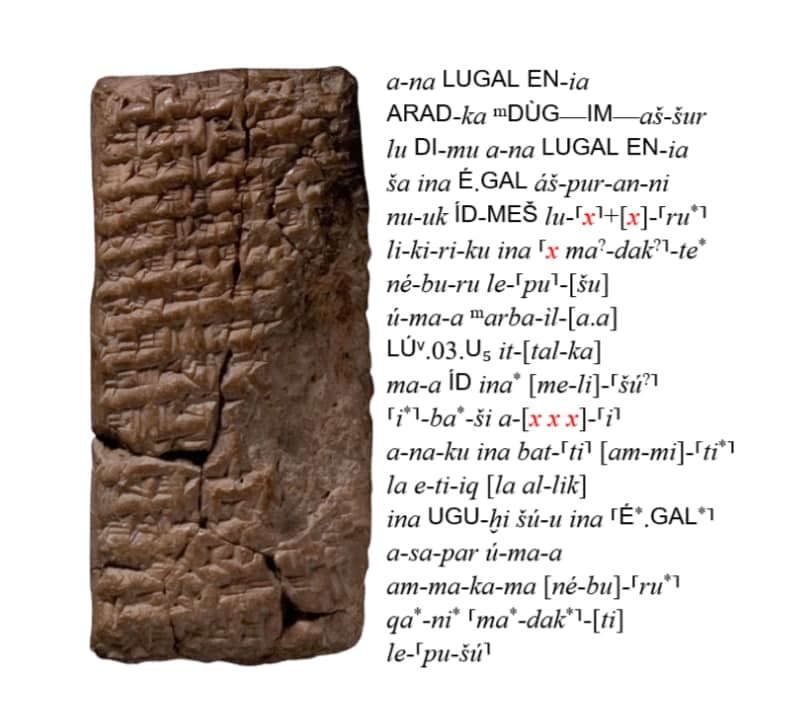
They tested the model on texts already studied. The AI correctly identified hidden characters in 89% of cases.
Then the researchers applied the algorithm to 10,000 cuneiform tablets dating to before 100 CE. It filled the gaps with contextually correct words and phrases.
Nvidia releases Windows 11 driver with DLSS support across over 100 games
Nvidia has released a Windows 11 driver with DLSS AI upscaling support for more than 100 games.
The GeForce RTX GPU with DLSS enabled can sustain over 60 FPS at max settings in 4K. This allows GPUs such as the RTX 2080 Ti to raise frame rates from about 70 to 120 FPS on average thanks to deep learning.
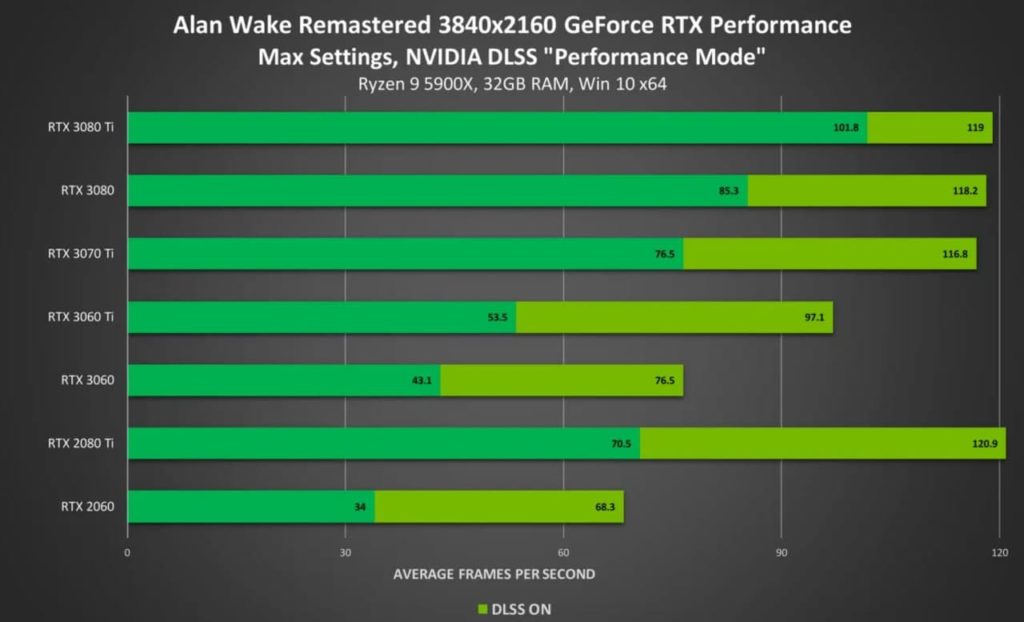
Also the company added AI-smoothing support to 28 new games via the Unreal Engine 4 DLSS plugin, easing developers’ integration of the technology into their products.
FAIR develops a model for image generation from prompts
Researchers at Facebook AI Research (FAIR) developed IC-GAN, a model for generating high-quality images with unfamiliar objects and scenes.
The generative adversarial network operates on labeled and unlabeled data. It models a combination of local clustering within a single image with overlapping samples from different regions or areas of pictures, and then blends real pixels with predicted ones to create new realistic images.
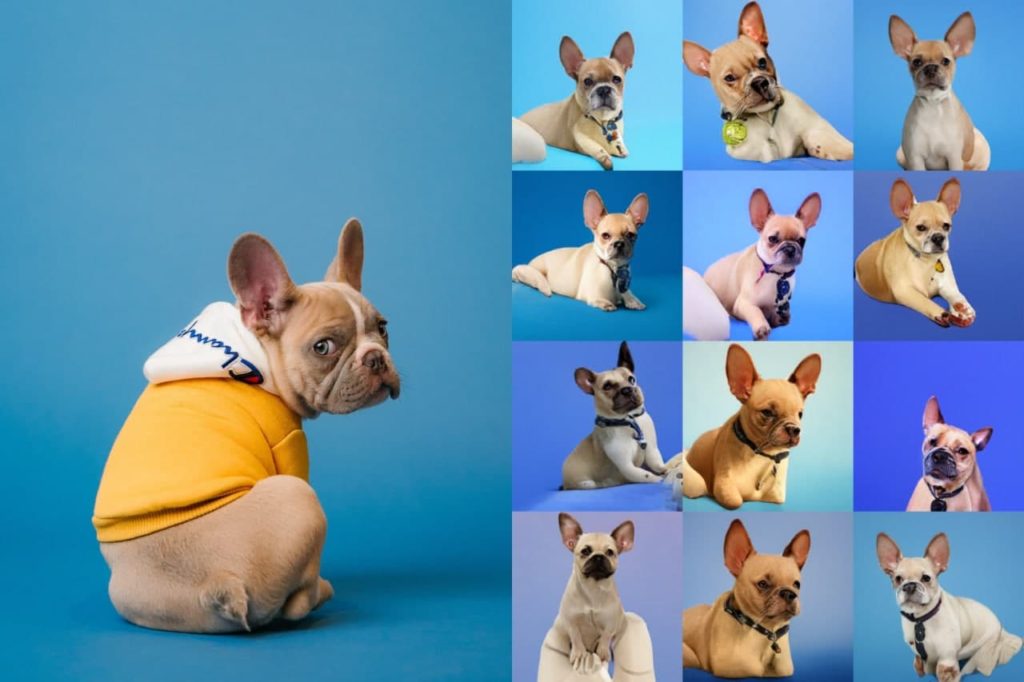


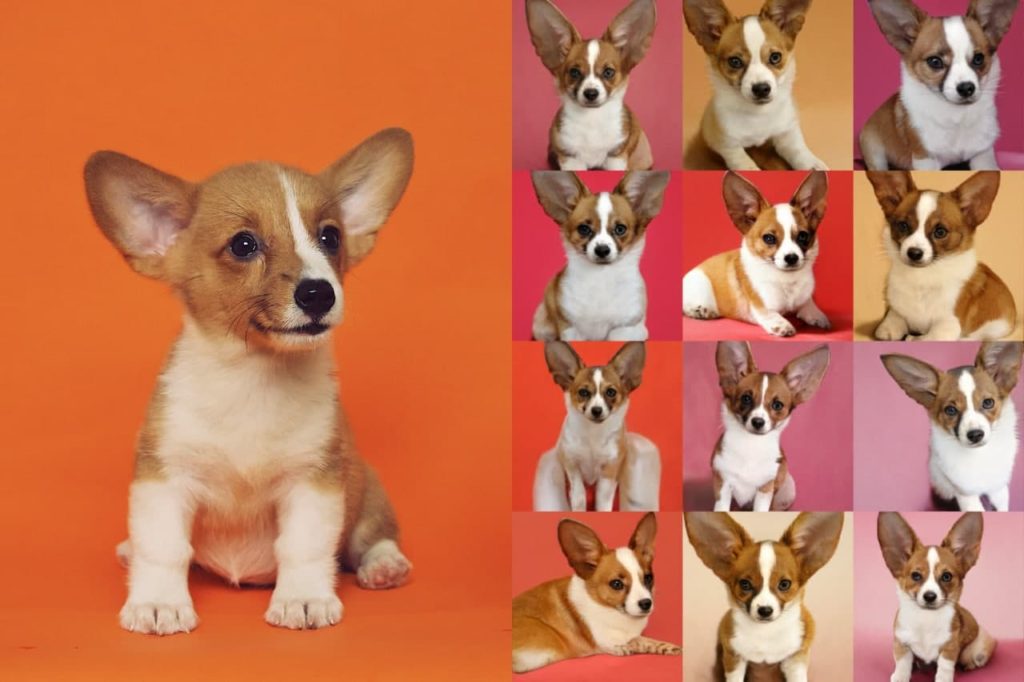
The tool is available on Google Colab. Anyone can use it.
Also on ForkLog:
- Media: Israeli AI liquidated an Iranian nuclear scientist.
- Britain has approved an AI development strategy to compete with the US and China.
- Study: Tesla drivers lose vigilance with active Autopilot.
- OpenAI developed a model for generating short excerpts from fiction books.
- In the UK, calls to regulate facial recognition technology have intensified.
- Future of Life Institute launched scholarship programs named after Vitalik Buterin.
Subscribe to ForkLog news on Telegram: ForkLog AI — all AI news!
Рассылки ForkLog: держите руку на пульсе биткоин-индустрии!