Telegram (AI) YouTube Facebook X
Ру
Bitcoin Developer Warns of Quantum Threat from Intelligence Agencies

Bitcoin Developer Warns of Quantum Threat from Intelligence Agencies

Bitcoin unprepared for quantum computer threats, warns developer.

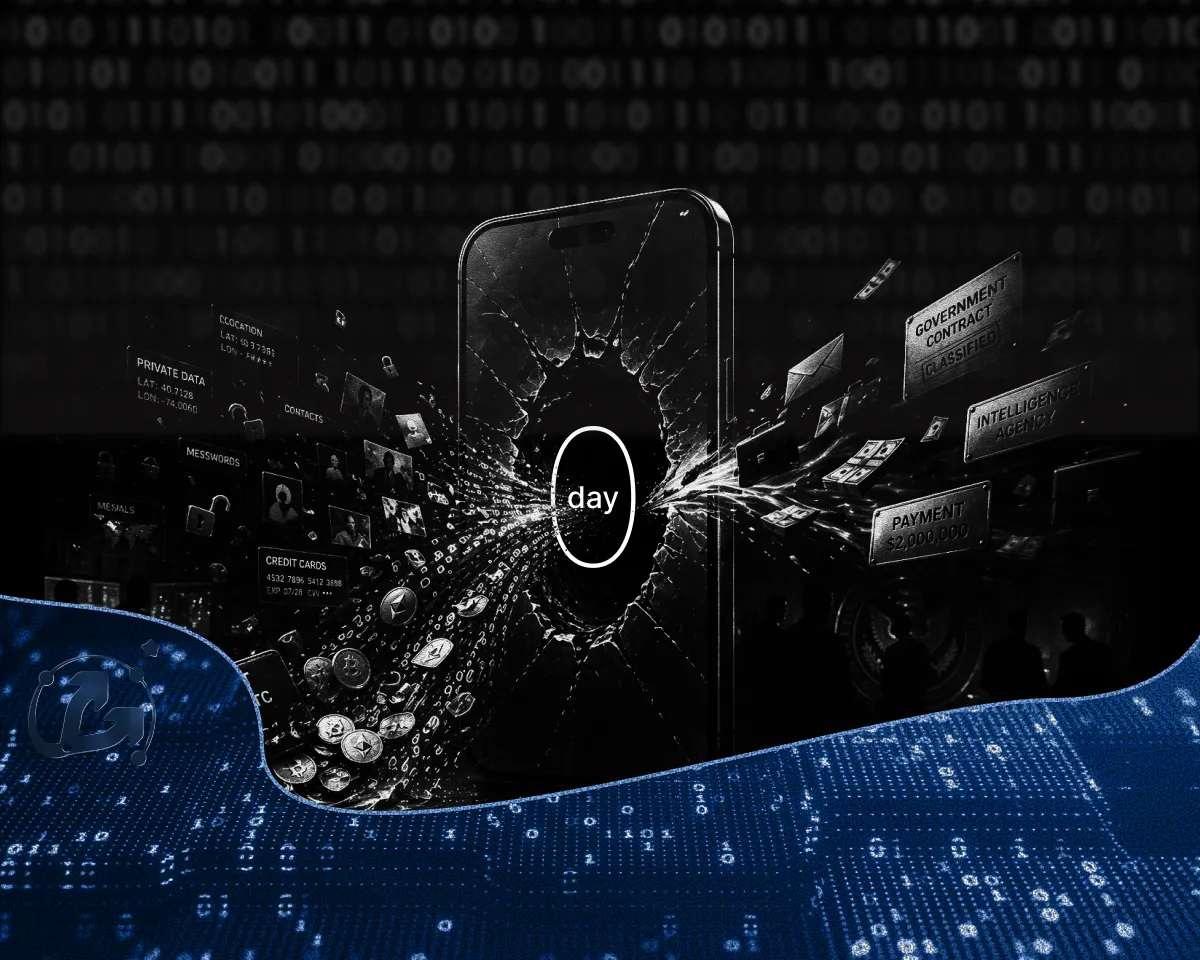
The first cryptocurrency is unprepared for a future where government agencies, using ultra-fast quantum computers, could crack its cryptography. This view was shared by developer Hunter Beest at the ETHDenver conference.

“Today, we are completely unprepared for the consequences. It’s a multidimensional problem, and you only realize its true scale when you start to delve into it,” he said. 

According to Beest, the main players in the race are not tech giants but “spies”—the NSA and the Chinese military. Quantum computers, costing billions of dollars, are useful not only for stealing bitcoins. They can crack RSA—a widely used encryption standard, granting access to other countries’ classified data.

The problem is that the new technology is not yet capable of solving practical tasks, which hinders convincing many developers of the seriousness of the threat, the expert emphasized. 

In December, one of the key Bitcoin Core contributors, Luke Dashjr, stated

“The quantum threat is not real. Bitcoin has far more serious problems.”

Forecasts and Actions 

Other specialists share a similar opinion. For instance, Blockstream co-founder and cypherpunk Adam Back is confident that concerns about quantum computing are exaggerated. In his view, it will take about 20-40 years before super-powerful computers emerge. 

The expert did not rule out that such technologies might never appear. 

Analyst Willy Woo believes that the threat will not become relevant until at least 2030. By then, developers may implement quantum-resistant encryption standards, he noted. 

Some disagree with this perspective. Previously, Castle Island Ventures partner Nic Carter criticized developers for ignoring the quantum computing threat. He also stated

“I think developers will continue to do nothing. […] Institutions will likely tire of this, fire the team, and hire a new one.”

Craig Warmke of the Bitcoin Policy Institute agrees. He believes that any attempts to convince people of the complete absence of risk are doomed to fail: explanations will be too complex, and the public trusts quantum physicists more than Bitcoin developers. 

However, the industry is not standing still. In July, Casa’s CTO Jameson Lopp proposed creating a separate BIP, based on an existing initiative—BIP 360. It suggests introducing a new type of address using post-quantum cryptography.

In February, BIP 360 was included in Bitcoin’s codebase. Developers are actively working on this proposal. 

In January, the company BTQ launched a quantum-resistant testnet for the first cryptocurrency. 

Подписывайтесь на ForkLog в социальных сетях

Telegram (основной канал) Facebook X
Found a mistake? Select it and press CTRL+ENTER

Рассылки ForkLog: держите руку на пульсе биткоин-индустрии!

We use cookies to improve the quality of our service.

By using this website, you agree to the Privacy policy.

OK