


Bitcoin slips below $77,000
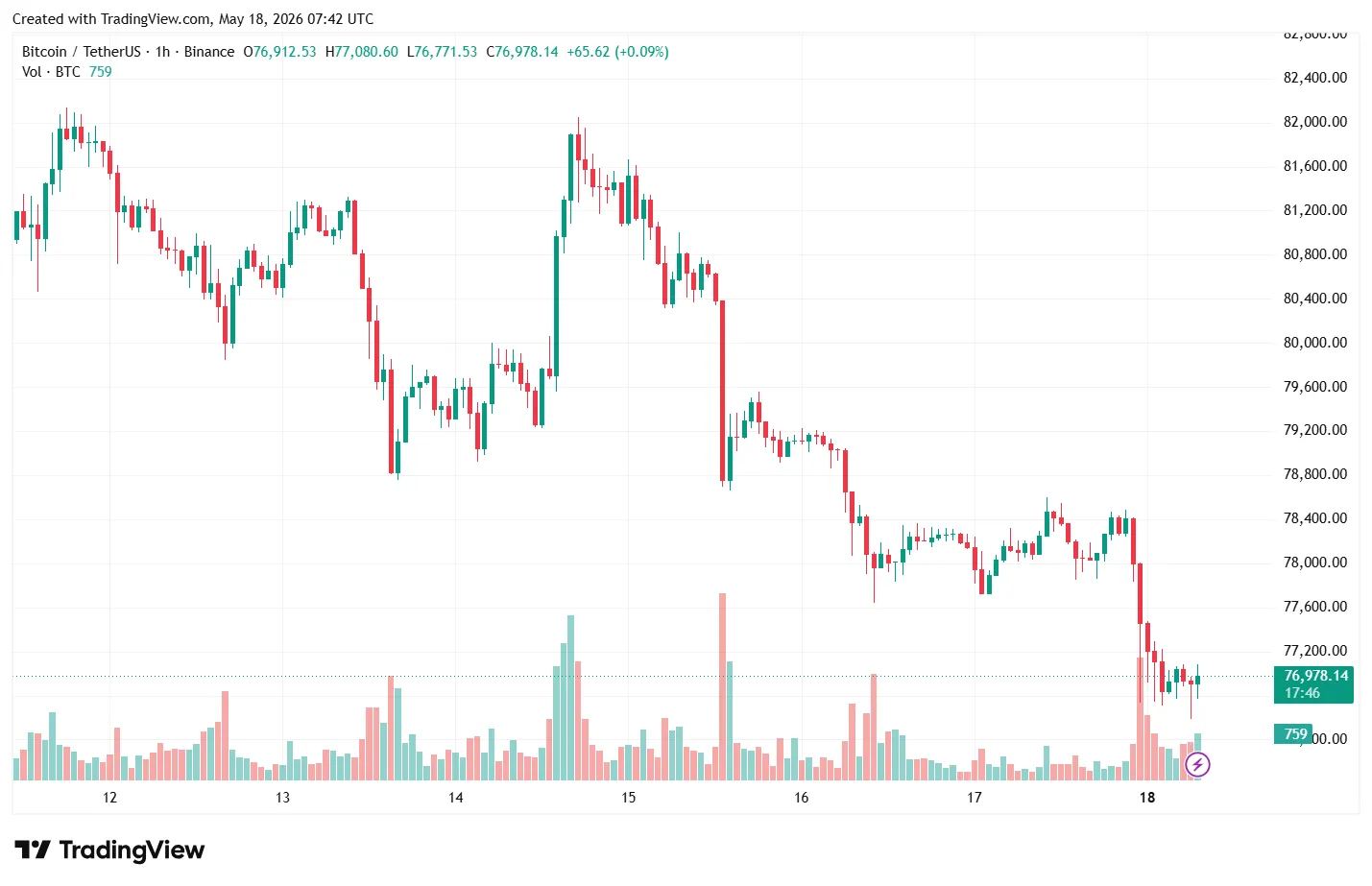
Bitcoin drops to ~$76,580, a low since May 1; altcoins follow.
On May 18, bitcoin fell to about $76,580 — the lowest since May 1. Altcoins slipped in its wake.
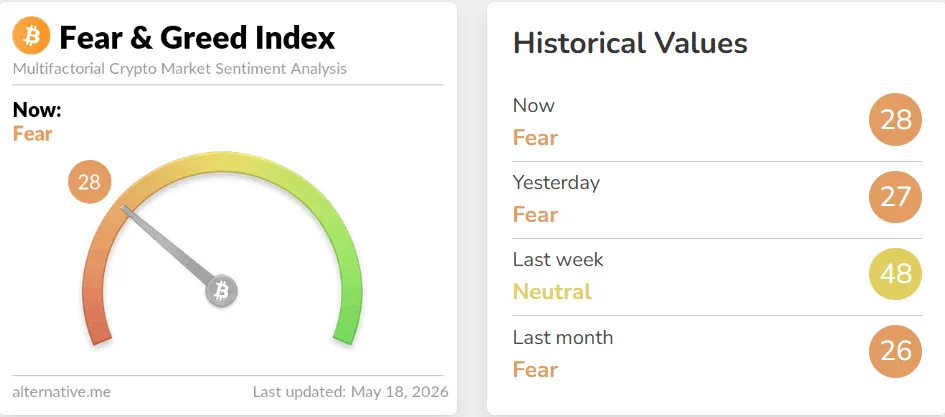
Fear and Greed Index stands at 27.
Analysts linked the drop to rising U.S. Treasury yields, a stronger dollar and an escalation in the Middle East.
The day before, U.S. president Donald Trump threatened Iran with military action if peace talks drag on. Against this backdrop, Brent crude rose to $111 and WTI to $107.7.
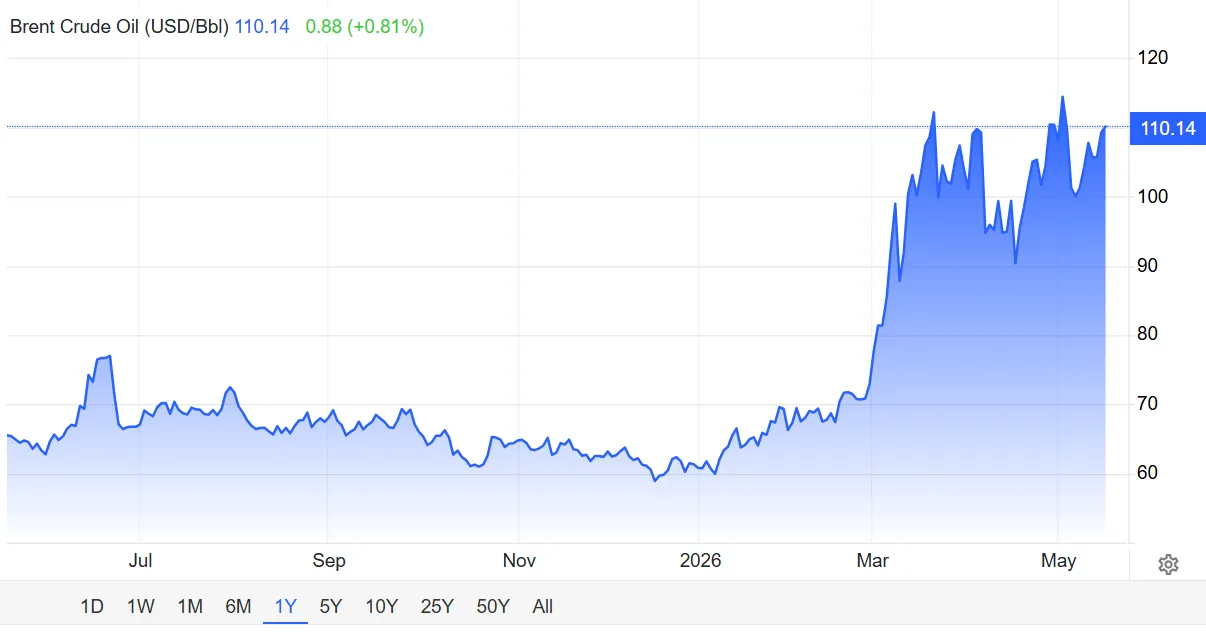
Investors fear that pricier oil could nudge the Fed toward tighter policy. According to BTSE’s chief operating officer Jeff Mei, the market is pricing the risk of interest-rate hikes to fight inflation.
Uncertainty has bled into crypto ETFs: $1 billion was withdrawn in the week of May 13–17, snapping a six-week run of inflows.
Presto Research’s Min Jun noted that institutions are trimming exposure to risk assets ahead of macro data. Bitrue Research Institute called the pullback a “healthy correction” and highlighted support around $74,000.
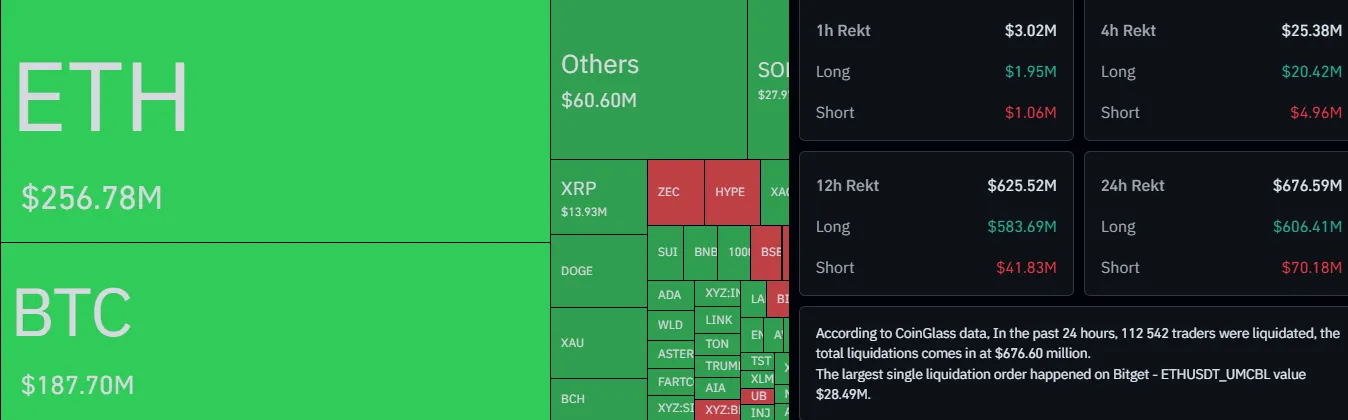
The sharp move triggered mass liquidations. In just 15 minutes at the start of the Asian session, almost $500 million of long positions were wiped out. Total forced long closures exceeded $606 million.
BTC Markets analyst Rachel Lucas called bitcoin’s correction “a macroeconomic story.” In her words, risk appetite has declined, pushing up oil prices and bond yields while the stock market fell.
On Deribit, demand rose for put options with a $77,500 strike. Sean McNulty of FalconX added that the drop amplified the triggering of stop-losses set by investors last week.
Retail investors
Inflows of bitcoin from small players to Binance have fallen to record lows, according to an analyst who goes by Darkfost.
🗞️ Retail activity hits historic Lows as BTC Inflows collapse
It is often said that the Bitcoin market is constantly evolving and transforming over time.
This can notably be observed through the behavior of different market participants, especially retail investors.Here,… pic.twitter.com/2E9SdmfOHp
— Darkfost (@Darkfost_Coc) May 18, 2026
The expert classifies retail investors as wallet holders with balances under 1 BTC.
The current average monthly inflow from such users to Binance is 314 BTC. For comparison:
- during the bear phase of the current cycle it hovered around 1,800 BTC;
- at the March 2024 peak — about 1,200 BTC;
- in January 2024 — 1,000 BTC.
Previous cycles were far livelier: in 2018 retail inflows reached 5,400 BTC, and in 2021 — 2,600 BTC. Over two years the figure has fallen by more than threefold.
Darkfost noted that retail investors are gradually “disappearing from observable on-chain activity.” He sees this as a market transformation: some small players may have exited the industry entirely, while others prefer to invest in bitcoin through spot ETFs rather than holding the asset directly.
Long-term investors
Darkfost observed an increase in the supply of bitcoin held by long-term holders (LTHs): they control 15.26 million BTC — the level of August 2024. Over the past 30 days the figure has risen by roughly 316,000 BTC.
📈 The supply held by Long Term Holders (LTHs) continues to increase as investors keep holding their BTC.
➡️ We are now back to 15.26 million BTC held by these investors, who are generally considered much more stable than STHs.
This brings the metric back to levels last seen… pic.twitter.com/0Cri4aFraB
— Darkfost (@Darkfost_Coc) May 16, 2026
The picture has changed from late November, when net outflows from LTH wallets totaled 650,000 BTC.
The expert noted that investors who bought the cryptocurrency around six months ago are in no hurry to take profits.
Darkfost expects a notable jump in the metric around May 23: 800,000 BTC previously moved by Coinbase will officially enter the “held for more than six months” category and add to the long-term holder supply.
On May 13, the leading cryptocurrency fell below $80,000 amid accelerating U.S. inflation.
Рассылки ForkLog: держите руку на пульсе биткоин-индустрии!