


DeFi United Initiative Raises Over $300 Million Following Kelp Hack
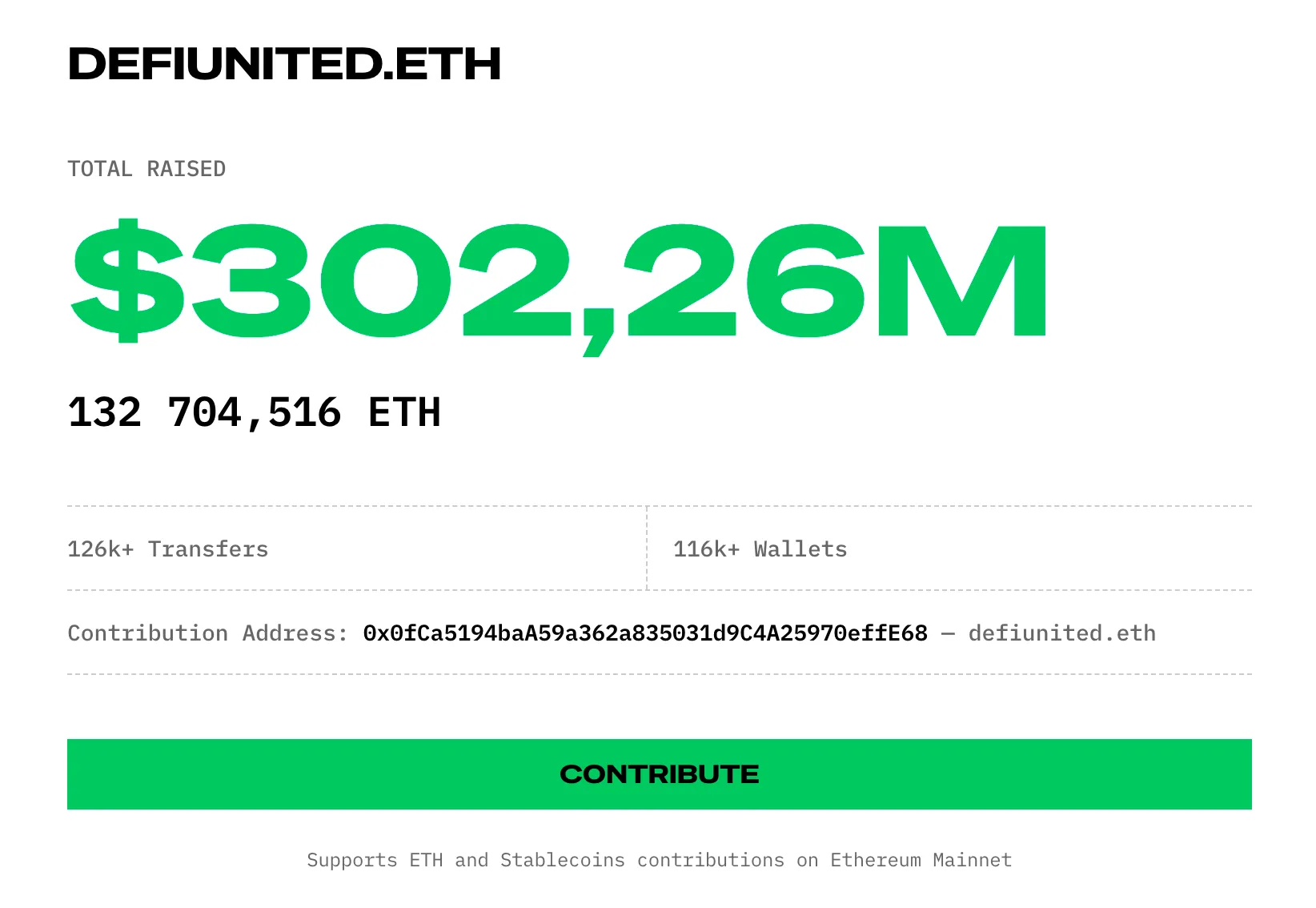
Donations for ecosystem recovery after Kelp hack exceed 132,704 ETH ($302M).
The total donations for ecosystem recovery following the attack on Kelp have exceeded 132,704 ETH (over $302 million). The funds raised by the DeFi United initiative have covered the $290 million damage caused by the hack.
The largest donors were Mantle (30,000 ETH) and Aave DAO (25,000 ETH). Additionally, ~30,700 ETH was recovered through the freezing of stolen assets in Arbitrum.
Aave founder Stani Kulechov donated 5,000 ETH. Ether.fi and Lido Finance contributed 5,000 ETH and 2,500 ETH respectively. Some assets came from community members.
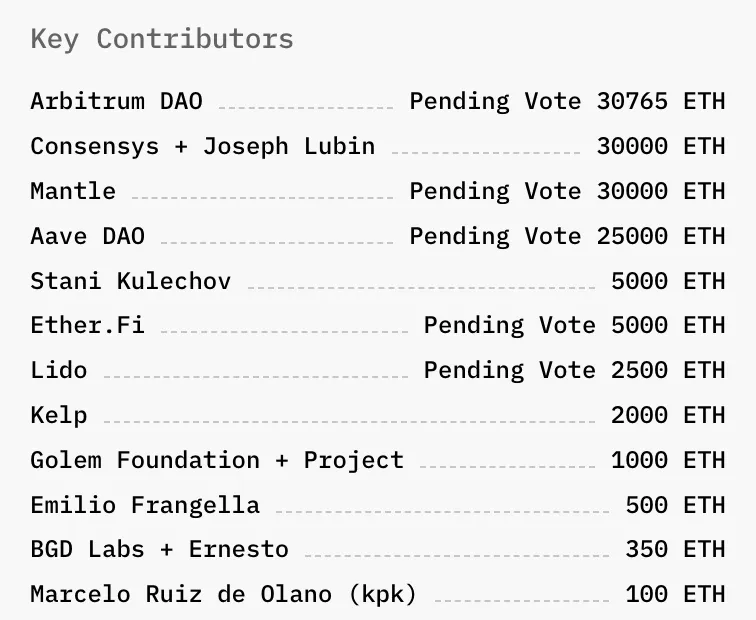
On April 27, ConsenSys and its founder Joseph Lubin joined the fundraising effort. They will contribute 30,000 ETH.
Consensys is proud to join DeFi United alongside @aave with up to 30,000 ETH to support the rsETH recovery.
The Ethereum ecosystem has always been at its best when it moves as one.
DeFi United. https://t.co/o2ow2Iv4NC
— Consensys.eth (@Consensys) April 27, 2026
The Ethereum treasury SharpLink, supported by ConsenSys, will provide strategic advice to Aave.
The DeFi platform Compound is prepared to transfer up to 3,000 ETH. The final amount depends on the decision made by the project’s governance.
A proposal for Compound to support DeFi United’s coordinated rsETH recovery effort with a contribution of up to 3,000 ETH is now live.
While Compound’s direct exposure is expected to be limited, the proposal reflects a broader commitment to supporting the integrity of DeFi…
— Compound Foundation (@Compound_xyz) April 27, 2026
The Avalanche Foundation supported the initiative. The Renzo project team provided over $10 million in liquidity to the stablecoin markets of Aave V3.
Plan for rsETH Collateral Recovery
Aave developers shared a technical plan for the recovery of rsETH collateral. The collected funds will first be used to replenish the affected lockbox to restore the token to its original rate of 1.07 ETH.
— Aave (@aave) April 28, 2026
The project will forcibly liquidate the hacker’s positions in Aave and Compound. This will allow the recovery of approximately 13,000 ETH. Separate votes will be required for each network beforehand.
The oracle price of rsETH will be temporarily adjusted, and the received tokens will be transferred to the multisignature wallet of DeFi United.
After the collateral is restored, the rate will be normalized. The recovered rsETH will be exchanged for ETH through the standard Kelp redemption procedure, and the obtained assets will be used to cover the deficit in Aave markets on the Ethereum and Arbitrum networks.
Similarly, the attacker’s position on Compound will be addressed: DeFi United will provide liquidity to recover approximately 16,776 ETH.
During the process, reserves of WETH and rsETH in Ethereum, Arbitrum, Base, Mantle, and Linea will be frozen.
Aave also noted that victims of the Kelp hack can verify compensation amounts on the Recovery Fund website. Payments will commence on April 30.
rsETH Exploit victims now have the capability of viewing their compensation through the Recovery Fund website.
The Payout process begins on April 30th.
More details provided: https://t.co/FhDGlXDNZ3 pic.twitter.com/m5POw9L3LD
— Aavvc (@aavces_) April 28, 2026
Slowing Outflows
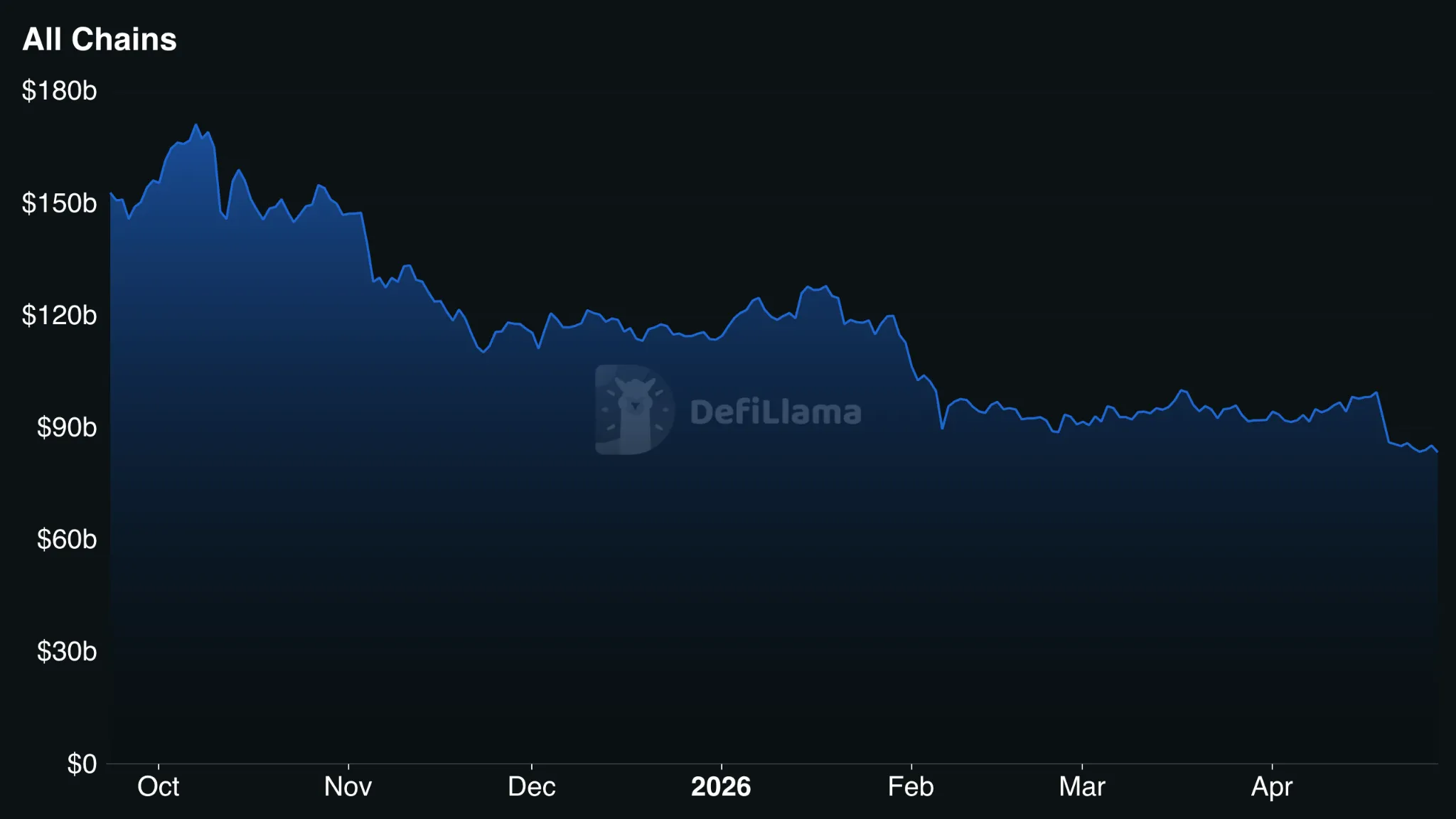
Outflows from DeFi have paused amid measures to stabilize the ecosystem. TVL in the sector at the time of writing stands at $83.3 billion.
The figure remains significantly below pre-hack levels, which exceeded $99 billion.
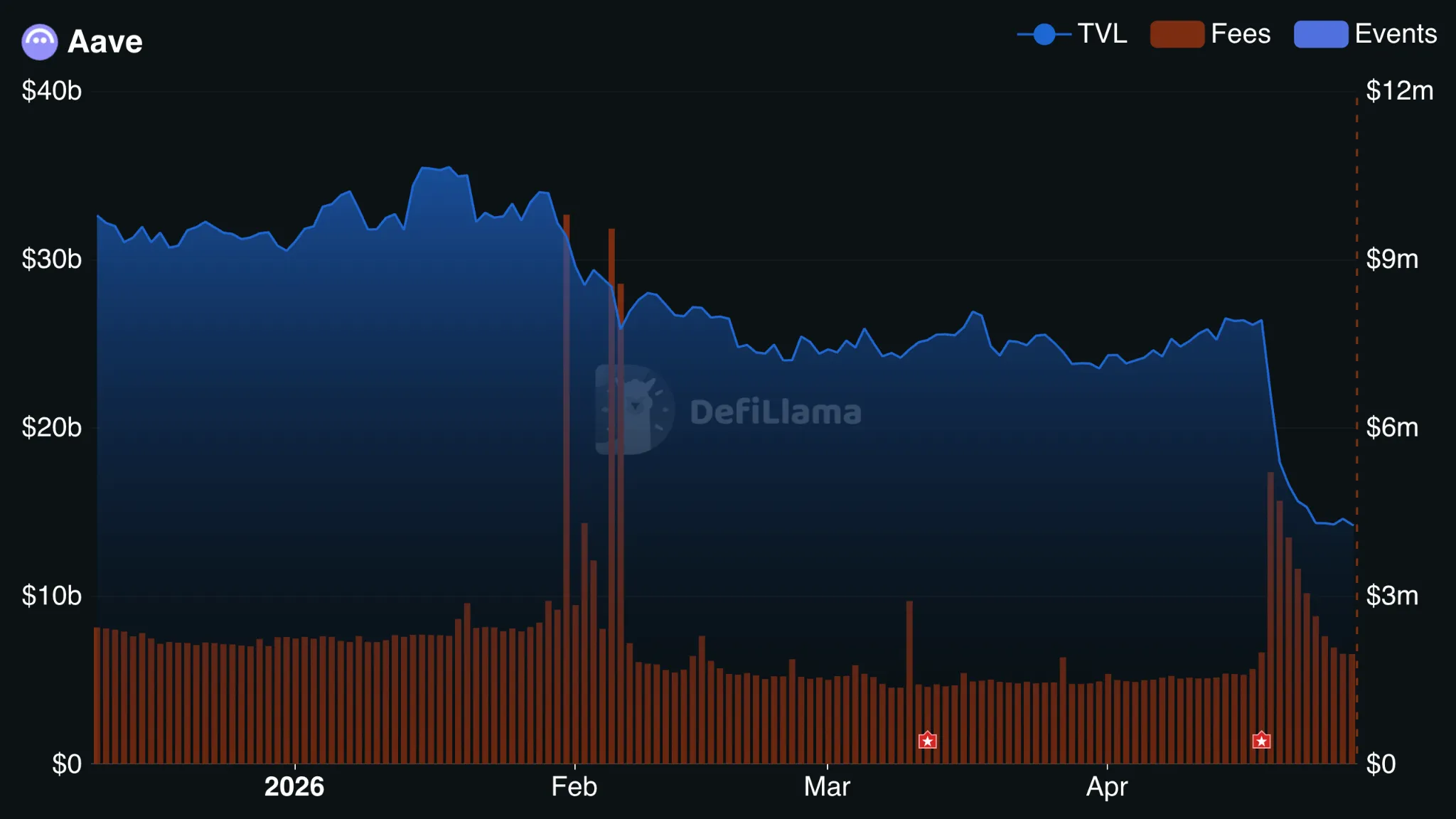
A similar situation is observed with Aave: the protocol’s TVL remains around $14.1 billion. Over 10 days, the metric declined by $12 billion.
Andrew Moss from Jefferies bank believes that the series of hacks in the DeFi sector could dampen Wall Street’s interest in blockchain technologies.
Рассылки ForkLog: держите руку на пульсе биткоин-индустрии!