




On March 9, the number of bitcoins yet to be mined reached 1 million.


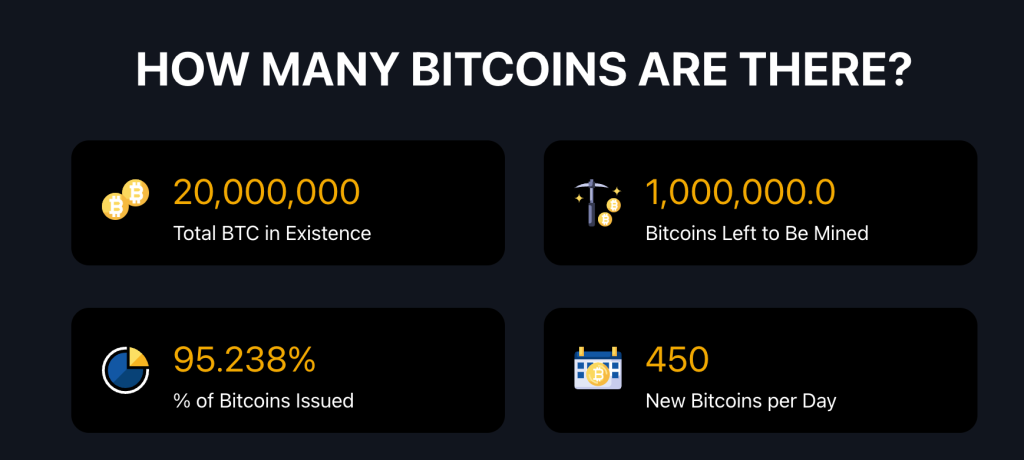
Today, more than 95% of the 21m BTC cap is in circulation. The blockchain continues to operate on a fixed issuance schedule:
- on average, miners add 144 blocks per day;
- every 2,016 blocks are produced roughly every two weeks.
The block subsidy halves every 210,000 blocks. Halving occurs about once every four years. After the event in 2024, the reward stands at 3.125 BTC per block. The network has entered its fifth issuance epoch.
The next reduction is expected in April–May 2028. It will cut the reward to 1.5625 BTC.


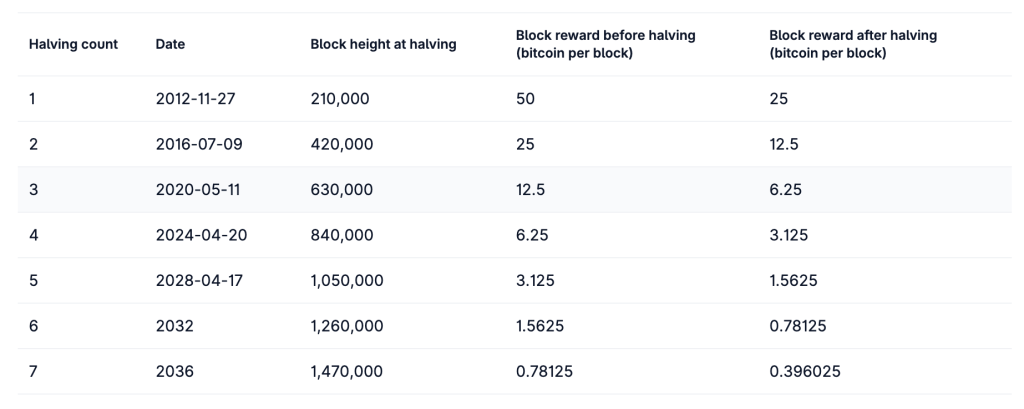
Miners are not expected to extract the final bitcoins until 2140.
Lean times
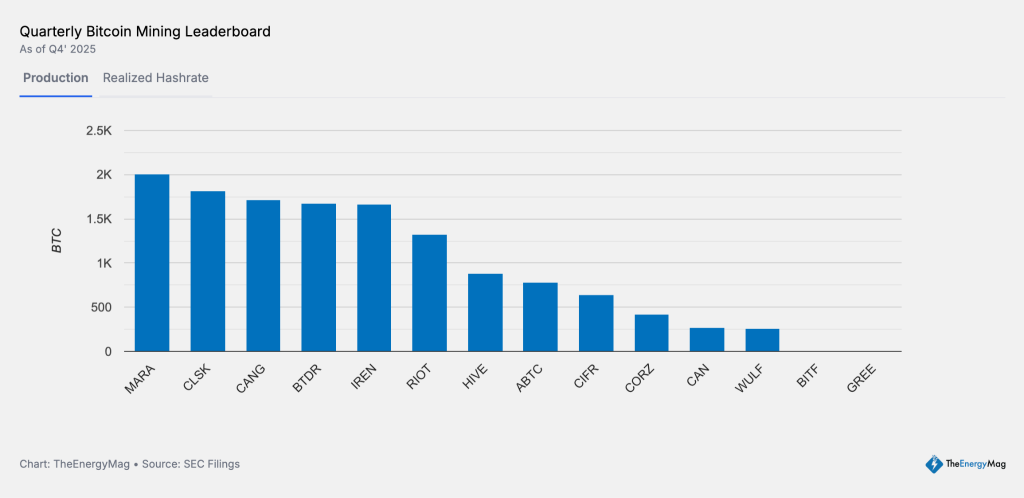
Each halving compresses miners’ revenues and strains their economics. Over time, transaction fees are meant to become the primary source of income. For now, they make up a relatively small share of rewards.
CryptoSlate, using bitcoin miner Riot Platforms as a case study, подсчитали that the electricity-only break-even price is about $74,000 per coin. Adding equipment, infrastructure, cooling, maintenance and financing, the true figure could exceed $100,000 per BTC.
A significant share of miners are already “underwater”—operating on razor-thin margins or at a loss.


Infrastructure risks
Researchers at the University of Cambridge analysed 11 years of data and 68 failures on submarine communication cables and concluded that physical breaks have little effect on the Bitcoin network.
Just published: first study of Bitcoin’s resilience to submarine cable failures, using 11 years of P2P network data & 68 cable fault events. Random cable failures are mostly harmless, but targeted attacks on 5 hosting providers could take out 95% of clearnet nodes. Authors…
— Jameson Lopp (@lopp) March 6, 2026
The average drop in node count was 1.5%, with zero correlation to price. Disabling 10% of nodes would require cutting 72%–92% of all intercontinental lines.
The vulnerability has shifted elsewhere. A targeted attack on the five largest hosting providers—Hetzner, OVHcloud, Comcast, Amazon Web Services, Google Cloud—could disable up to 95% of visible nodes by removing just 5% of capacity.
Even a complete shutdown of the clearnet would leave the network operational. Tor has become a structural layer of resilience. Its share grew from zero in 2024 to 63% today (14,602 nodes).
Experts also pointed to the paradox of repressive measures in China. The 2021 mining ban dispersed the hashrate across the globe, while rising censorship pushed operators to migrate to Tor. As a result, the network’s critical vulnerability metric rose from 0.72 to 0.88.
In March 2026, the startup Starcloud announced plans to mine bitcoin in space. The project will launch a satellite with ASIC miners on board into orbit by year-end.