


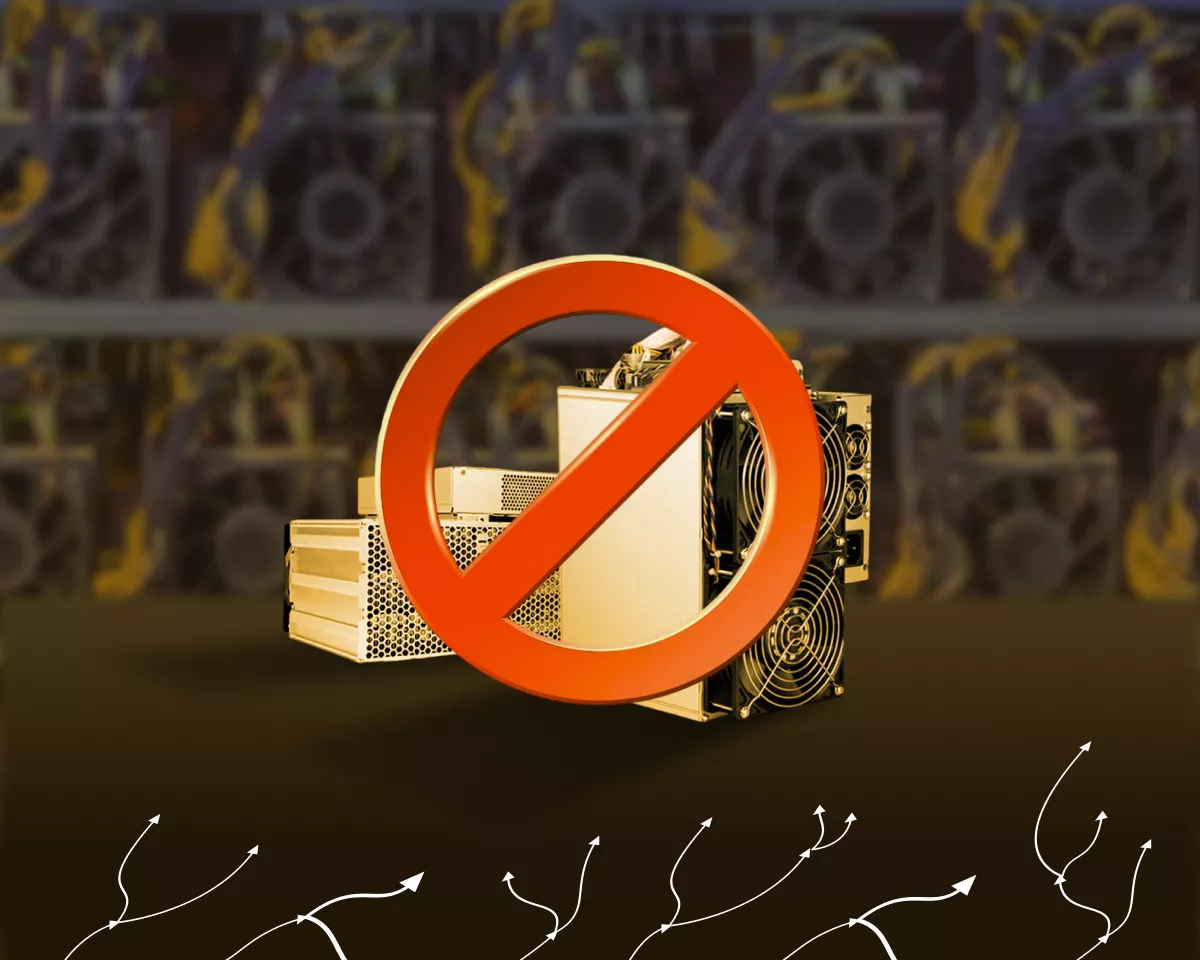
Arkansas Residents Succeed in Blocking Bitcoin Mining Facility
The Vilonia City Planning Commission in Arkansas, USA, unanimously rejected a proposal to establish a cryptocurrency mining facility within its jurisdiction.
The decision followed several weeks of protests by residents of the town, which has a population of just over 2,000 people.
Residents expressed concerns about potential issues with internet and power supply, but the main argument was the increased noise. Some citizens cited similar experiences in other towns that had hosted bitcoin farms.
Steve Landers, CEO of Interstate Holdings Blockchain, unsuccessfully attempted to convince the community during hearings that the facility would not have negative consequences.
Support from Ben Smith, president of the Arkansas Blockchain Council, also failed to sway opinions. The head of the trade group stated that the planned facility represented a $14 million investment, including equipment and building costs.
“I just want to ask, did we make a mistake moving here? We’re not asking these people to come. I grew up here, graduated from Vilonia High School. Arkansas is ‘The Natural State’, not the Bitcoin State,” one meeting participant emotionally declared.
In 2023, the town’s residents had already rejected Vilo AR LLC’s proposal to build a cryptocurrency mining facility.
There are currently 19 mining centers operating in Arkansas.
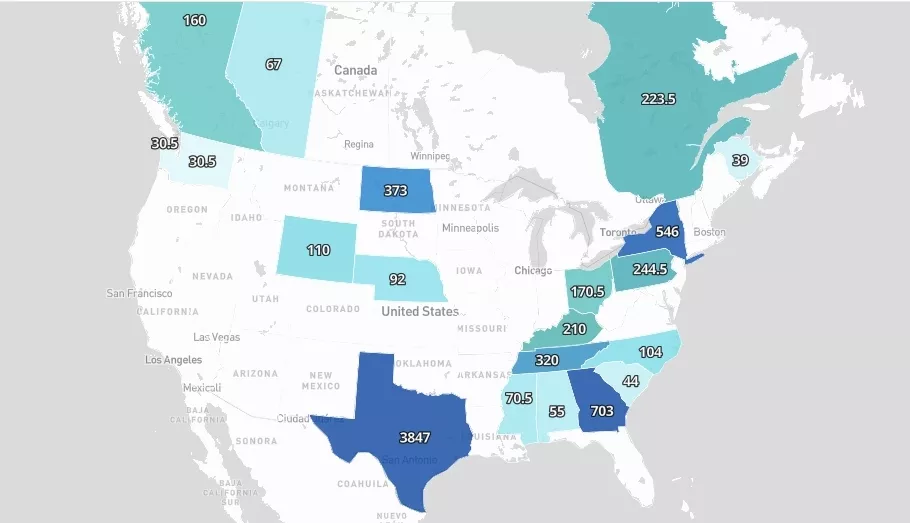
According to TheMinerMag, the state is not among the U.S. regions with a significant concentration of digital gold miners. Of the total 7.4 GW controlled by public miners, approximately 3.85 GW is located in Texas. Georgia accounts for 0.7 GW, and New York for 0.55 GW.
The Complexities of Mining and the Environment
Critics of bitcoin have traditionally pointed to the network’s enormous electricity consumption, which leads to increased greenhouse gas emissions.
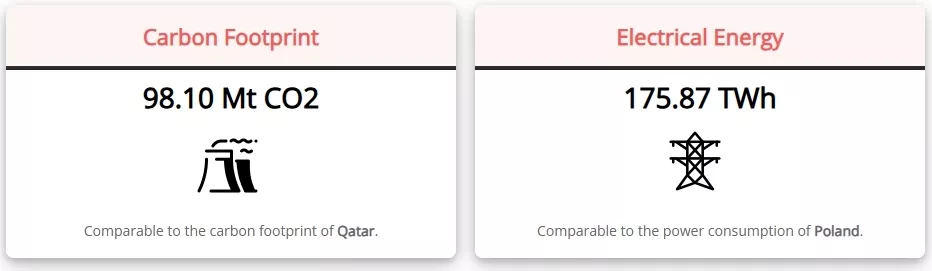
The industry disputes these claims, noting that mining increasingly uses ‘green’ energy.
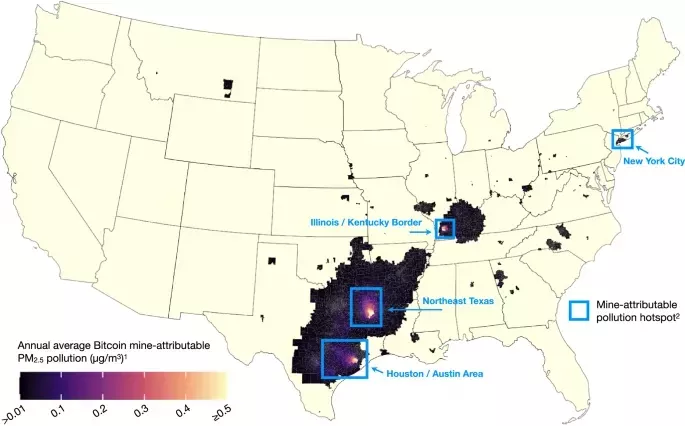
In a recent study, scientists from the Harvard T.H. Chan School of Public Health debunked miners’ claims. Experts examined the contribution of mining to additional air pollution from particulates in the U.S. They found that connecting equipment even exclusively to eco-friendly sources increases demand on the grid. This triggers so-called reserve capacities, which due to technological characteristics are represented by gas and coal generation. As a result, harmful emissions increase, often in regions far from data centers.
At the local level, noise complaints about cryptocurrency mining facilities are increasingly common. In October 2024, residents of Granbury, Texas filed a lawsuit against the largest public bitcoin miner MARA for noise pollution.
In September, the Hadsel commune in Norway succeeded in shutting down a mining center for similar reasons, despite the threat of rising energy tariffs.
Рассылки ForkLog: держите руку на пульсе биткоин-индустрии!