




In after-hours trading on May 3, PacWest Bancorp shares tumbled 52.5% after messages Bloomberg that it was weighing a potential sale or capital raise. Against this backdrop, Bitcoin erased its losses afterFed meeting.
The Fedraised the target range for the federal funds rate by 25 basis points, to 5.00–5.25%.
Earlier, Fed Chair Jerome Powell, in a speech before Congress stated there was a high probability of further tightening of monetary policy. However the collapse of U.S. banking institutions and the Swiss investment bank Credit Suisse forced investors to expect softer steps from the regulator.
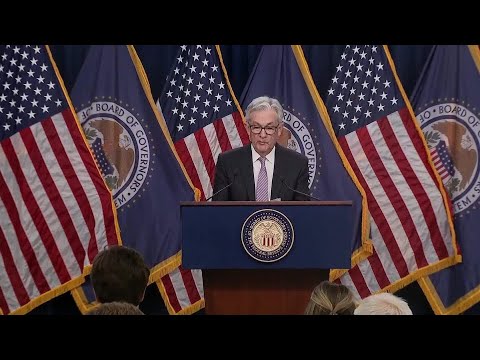
In a press conference Powell assured that the Fed “intends to draw the right lessons from this episode [the crashes of SVB and Signature Bank] and to work to ensure that such events do not recur”.
“Since early March conditions in the sector have broadly improved. The U.S. banking system is sound and resilient. We will continue to monitor conditions in this sector,” — said the head of the central bank.
Bloomberg’s report triggered a negative reaction in shares of other regional banks, which could face similar problems as PacWest.
At the moment, Western Alliance’s market capitalization fell 30%, Metropolitan Bank 20%, Valley National 15%, HomeStreet 11%, Zions Bank 10%, KeyCorp 8%.
Crypto gaining momentum as US Regional Bank stocks tumble after hours:
PacWest, Bloomberg: ⬇️60%
Western Alliance, $WAL: ⬇️30%
Metropolitan Bank, $MCB: ⬇️20%
Valley National, $VLY: ⬇️15%
HomeStreet, $HMST: ⬇️11%
Zions Bank, $ZION: ⬇️10%
KeyCorp, $KEY: ⬇️8%Seems like time to #HODL
— Acquire.Fi (@Acquire_Fi) May 4, 2023
In April, the crypto-friendly Metropolitan Bank told the SEC that it was close to completing its previously announced exit from the cryptocurrency market.
Western Alliance Bancorp also integrated blockchain-based payment solutions for clients.
After the collapses of SVB and Signature Bank, the negative trend was continued by First Republic Bank. It was the second-largest bank failure in U.S. history.
According to ZeroHedge, the assets of the banks stood at $548 billion.
POWELL: U.S. BANKING SYSTEM IS SOUND AND RESILIENT
Narrator: we just had over half a trillion $ in bank failures in the past month pic.twitter.com/YvhloFIGIX
— zerohedge (@zerohedge) May 3, 2023
Earlier, former Goldman Sachs executive and macro investor Raoul Pal said that cryptocurrency would outperform other assets amid the banking crisis.