




In the second quarter, the proportion of users employing cryptocurrencies as a hedge against inflation rose from 29% to 46%, according to data shared with ForkLog by the cryptocurrency exchange MEXC.
Macroeconomic instability, weakening national currencies, and inflationary pressures are prompting people worldwide to seek alternative means of preserving value. Cryptocurrencies are increasingly becoming such a solution, experts noted.
The most significant increase was recorded in East Asia, where this figure rose from 23% to 52%. In the Middle East, it nearly doubled—from 27% to 45%.
Behavioral Differences
The study also revealed sharp regional differences in the motivation and behavior of crypto investors. Latin America has become a hub of “community acceptance,” analysts highlighted. There, the number of holders of meme coins rose to 34%—the highest in the world.
Nearly 63% of new users in the region invest in digital assets to earn passive income. The market remains focused on retail investors driven by the search for yield and community activity.
Meanwhile, South Asia confirmed its status as a “global trading powerhouse.” Spot trading volumes in the region increased from 45% to 52%, surpassing the global average. More than half of crypto investors stated that their main goal is achieving financial independence.
“Given the young, mobile population and limited access to traditional finance, the region is becoming the most dynamic retail market. South Asia also leads other regions in futures trading (46%), while Europe shows more moderate adoption, staying closer to global averages,” the study stated.
Capital Distribution
Tokens of public blockchains remain the foundation of crypto portfolios worldwide, held by over 65% of users. The greatest confidence in this category of assets is observed in Latin America (74%) and Southeast Asia (70%).
The share of stablecoins remained stable—around 50%.


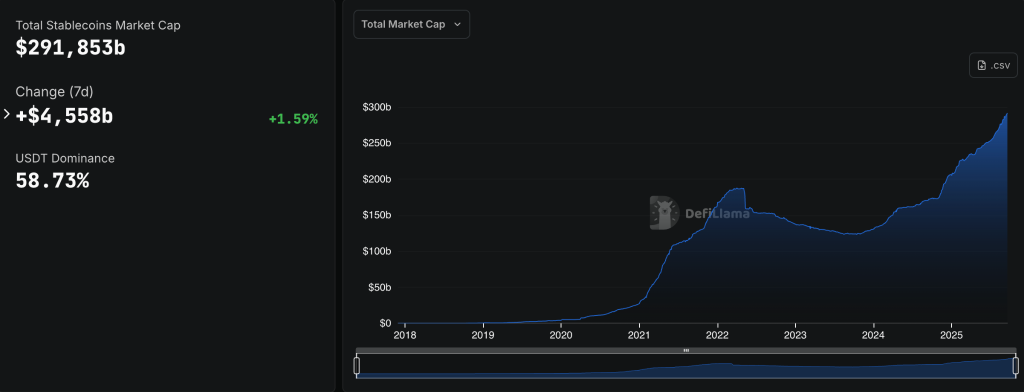
Analysts also pointed to changes in capital distribution. In East Asia, the share of large wallets (over $20,000) decreased from 39% to 33% due to profit-taking and regulatory constraints.
Mid-level addresses ($5,000-20,000) became more common, indicating “a more even distribution of funds and the strengthening role of digital assets as an accessible financial tool.”
“Cryptocurrency adoption is evolving differently across the globe, and there is no one-size-fits-all approach. From inflation hedging in East Asia to community growth in Latin America, these regional characteristics underscore the importance of localized solutions,” noted MEXC COO Tracy Jin.
Experts predicted the continuation of the trend of using cryptocurrencies as a means of preserving value. They also anticipate a shift from speculation to more structured trading, more active portfolio diversification, and further polarization by capital levels.
As reported in the global cryptocurrency adoption index for 2025 by the analytics company Chainalysis, Ukraine and Russia ranked eighth and tenth, respectively.