


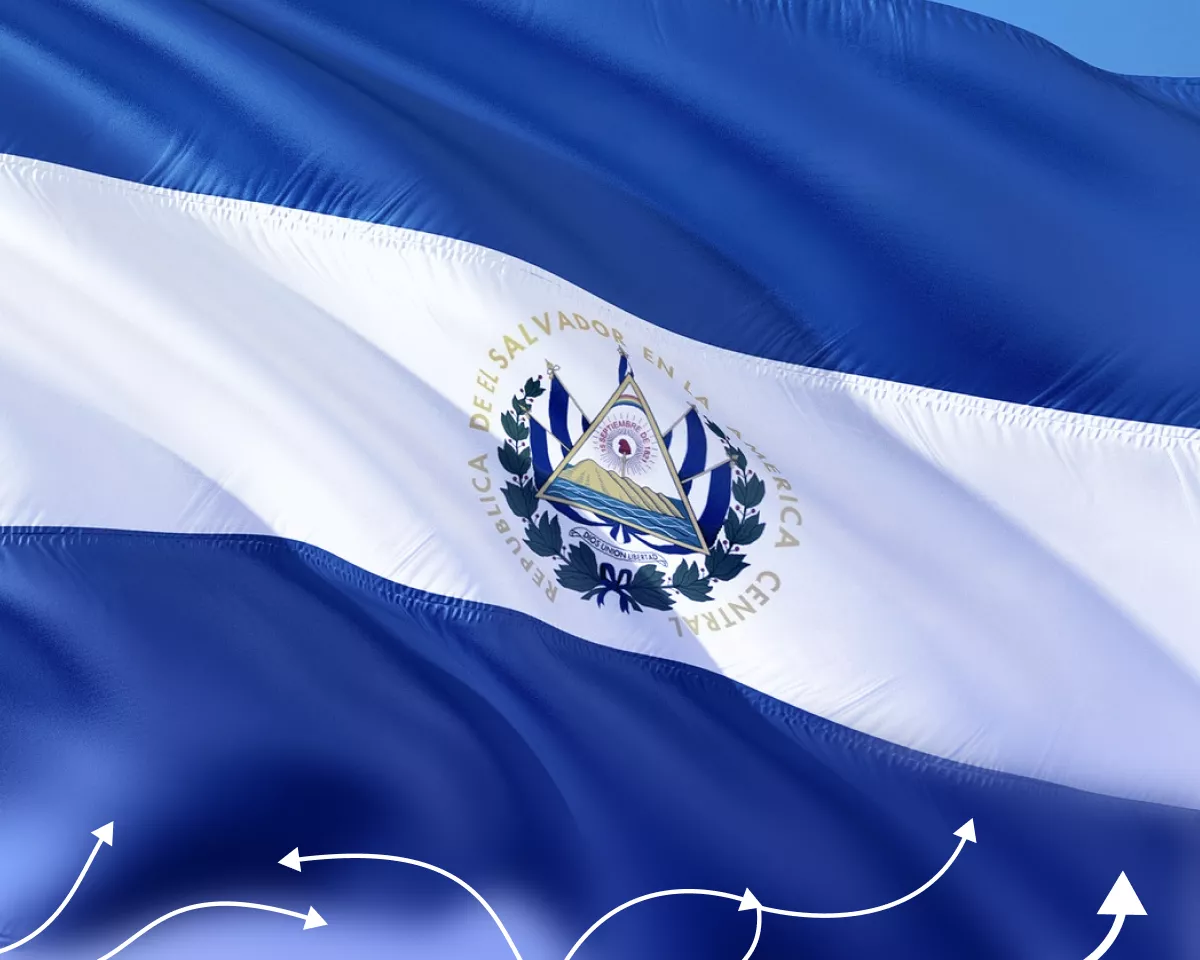
El Salvador’s Bitcoin Policy: A Mixed Success, Says President
The monetary experiment of legalising Bitcoin as legal tender in El Salvador has yielded mixed results, according to President Nayib Bukele in an interview with TIME.
Wearing a dark suit to look more “authoritarian” ?
Full interview: https://t.co/dXR5eVmsM1
Entrevista completa en español: https://t.co/wGWW9ZgdoO pic.twitter.com/ViGBkIJ3JU
— Nayib Bukele (@nayibbukele) August 29, 2024
When asked about the success of the country’s cryptocurrency policy, the head of state replied:
“Yes and no. Certainly, much more could have been done. Bitcoin did not achieve the widespread adoption we had hoped for.”
He added, however, that the cryptocurrency is still used by “many Salvadorans and is held by most large companies.” The digital asset can also be used to pay for goods and services.
A positive aspect he noted was the voluntary nature of using the first cryptocurrency without coercion from the authorities.
“We offered it as an option and those who decided to use it benefited from the increase in Bitcoin’s price,” Bukele noted.
The law legalising digital gold as an official means of payment in El Salvador came into effect on September 7, 2021. The decision was criticised by several experts and international financial institutions such as the IMF.
To implement Bitcoin, the government launched the Chivo cryptocurrency wallet. Upon registering in the app, adult residents of the country received $30 in Bitcoin. The initiative cost a total of about $75 million.
In 2022, Finance Minister Alejandro Zelaya stated that the adoption of cryptocurrency had already brought benefits to El Salvador. According to him, its implementation expanded the population’s access to financial services, attracted tourists and investments to the country.
However, he acknowledged that the scale of Bitcoin’s use as a medium of exchange is actually insignificant. A study conducted several months before his interview revealed that most who received the registration bonus in Chivo immediately converted the cryptocurrency into fiat. 60% subsequently did not use the app, and very few users made payments or received transfers through it.
The IMF acknowledged that the risks of Bitcoin legalisation in the country “did not materialise” due to its “limited” spread.
In the interview, Bukele confirmed that the dominant internal currency in El Salvador remains the US dollar. Regarding the country’s adoption of cryptocurrency, he noted:
“I feel that perhaps it could have worked better, and we still have some improvements to make. But it did not lead to anything negative. On the contrary, it gave us branding, brought investments and tourism.”
Bukele also highlighted that El Salvador’s Bitcoin initiatives have attracted attention as a pioneer. In his view, this has had some influence on the adoption of digital gold by major international businesses and states.
“The fact that the largest Wall Street companies are now involved, which seemed incredible three years ago when we did this, shows our impact. Some countries hold reserves in Bitcoin or invest capital in mining. It is already becoming a topic of debate in the US presidential campaign,” said Bukele.
As a positive result of the crypto policy, he noted that El Salvador invested a total of $135 million in digital gold, and now just one public government wallet holds Bitcoins worth $400 million. Citizens who followed the state’s example similarly gained additional income. Others may still do so in the future, the politician believes.
“We have only seen advantages. As much as I would have liked? No. Did it bring anything bad? No. So, purely positive,” concluded Bukele.
In February, the politician was re-elected as President of El Salvador for a second five-year term.
Рассылки ForkLog: держите руку на пульсе биткоин-индустрии!