


Qubic’s Controversial 51% Attack Plan on Monero Sparks Debate
The Qubic platform, led by IOTA co-founder Sergey Ivancheglo, announced plans to capture 51% of Monero’s hash rate from August 2 to 31. The community criticized the initiative.
Qubic operates on the useful Proof-of-Work (uPoW) algorithm—converting mined XMR into USDT to buy back and burn its QUBIC tokens, creating a deflationary model.
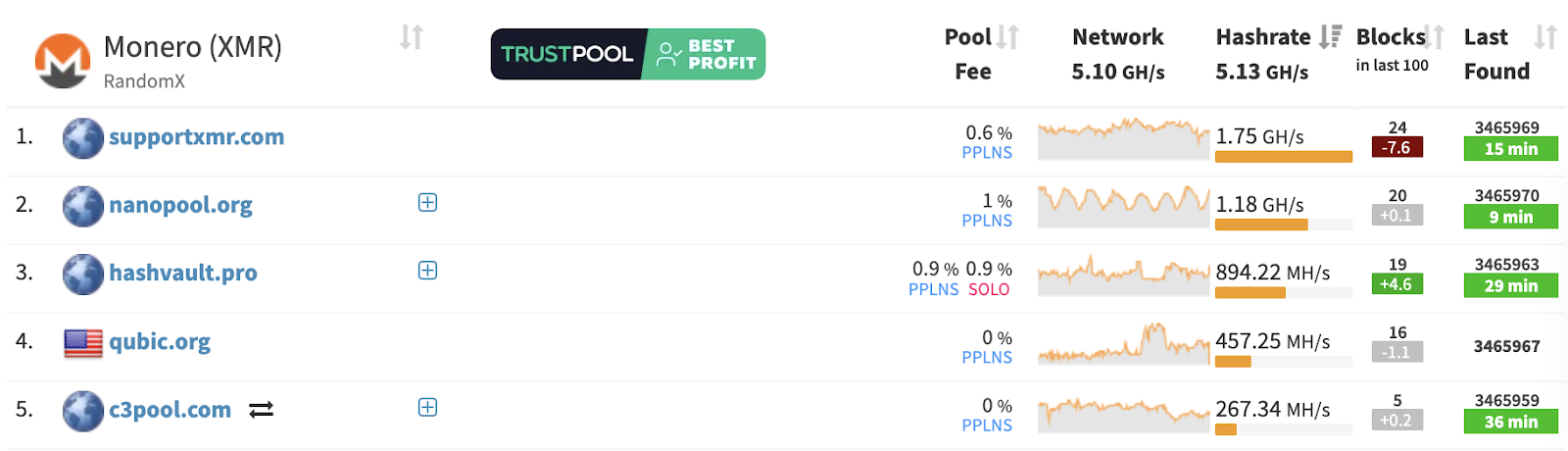
In May, the platform became the largest pool in the Monero network, with its hash rate share rising from 2% to 27%. According to MiningPoolStats, Qubic has since dropped to fourth place.
Ivancheglo described Qubic’s plan as an “economic experiment.” He stated that the project has no malicious intent. The main goal is to demonstrate the vulnerability of PoW networks.
I, like the #Monero community, am trying to find a countermeasure to #Qubic‘s 51% domination. This is very important to the #cryptocurrency industry because one day we all may face a non-benevolent attack. To spread awareness, first among $XMR holders and then among all the…
— Come-from-Beyond (@c___f___b) July 28, 2025
“I, like the entire Monero community, am simply looking for ways to counter Qubic’s 51% domination,” the developer wrote.
Monero Community’s Reaction
Analyst Dan Dadybayo detailed the mechanism of the attack on Monero through the incentive system. He emphasized that the attackers’ intentions are less important than the centralization risk when one pool captures a large portion of the network’s hash rate.
🧵 Monero is under attack. Not through bugs or exploits.
This is an economic attack. Through incentives. Through miners.
They’re not hacking your privacy — they’re buying it.
Here’s what’s happening and why it matters: 👇 pic.twitter.com/jUMGZoB9TF— ddadybayo (@ddadybayo) July 27, 2025
According to the expert, if Qubic achieves 51%, it could:
- reject other blocks;
- decline transactions;
- delay confirmations;
- suppress competitors;
- impose protocol changes.
“Qubic says: ‘We don’t want to harm anyone.’ But intentions don’t matter. Centralization is a risk. The potential for censorship is a threat. Economic incentives are a new attack vector,” Dadybayo stated.
In response to Qubic’s plans, the Monero community rallied around the supportxmr.com pool. According to the latest data, its share of the network’s hash rate is 33.5%.

Users are also discussing the alleged whereabouts of Qubic’s head.
Regarding https://t.co/n76FQmzyJk:
I hope the head bounty won’t be collected in $XMR to avoid creating incentive to drop its price to 0. pic.twitter.com/EZOvsYcgqT— Come-from-Beyond (@c___f___b) July 25, 2025
“I hope the bounty for my head won’t be paid in XMR—to avoid creating an incentive to crash its price to zero,” Ivancheglo noted.
In response, a member of the crypto community left a veiled threat:
“Do we have friends in Belarus?”
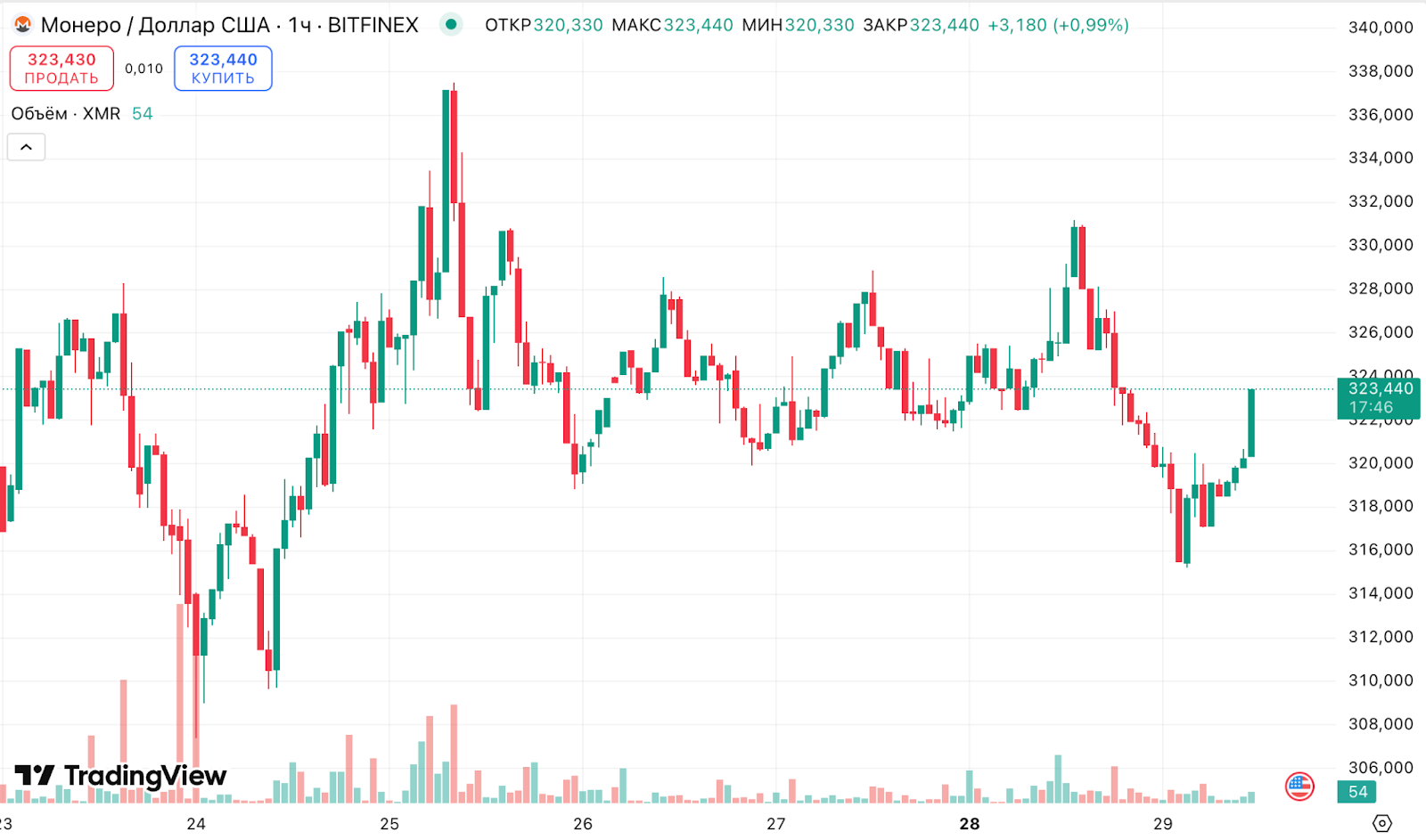
According to CoinGecko, XMR’s price has dropped by 1.1% in the last 24 hours. At the time of writing, the anonymous cryptocurrency is trading at $323.
Meanwhile, the QUBIC rate rose by 9.5%.
Back in July 22, it was reported that hackers infected over 3,500 websites with a hidden Monero miner.
Рассылки ForkLog: держите руку на пульсе биткоин-индустрии!