




In the first quarter of 2017, only 5% of trading volume was denominated in Tether, while BTC pairs accounted for half. Now, pairs with USDT form 70% of trading turnover, another 4% — other stablecoins, and BTC’s share has fallen to 15%.
The Block analyst Larry Cermak is convinced that such a market situation will persist going forward. Only regulatory intervention could derail it.
Also, it’s important to realize how extremely sticky pair denomination and collateral denomination. This is why Tether’s dominance won’t go down for trading for years unless there is some regulatory intervention. Tether is king for trading and will continue to be so
— Larry Cermak (@lawmaster) October 12, 2020
The reasoning was prompted by Adam Back, a pioneer of the cryptocurrency industry. He stated that Bitcoin is the only benchmark that matters.
In Back’s view, most investors' portfolios are denominated in BTC, and the dynamics of the first cryptocurrency determine the success of any market strategy.
Cermak challenged this, citing a chart of spot trading volumes denominated in various cryptocurrencies. It shows the growing share of Tether.
The Block analyst believes the crypto-derivatives market may meet the same fate after BitMEX encountered legal troubles.
Simple chart to show why that’s not true anymore for spot. Now that BitMEX is losing market share, most of collateral in derivatives is gonna be in USDT too. https://t.co/K4p7YhW8dF pic.twitter.com/EjXkwS14lf
— Larry Cermak (@lawmaster) October 12, 2020
The rise in Tether's popularity, Cermak calls one of four factors behind the crypto market’s maturation over the past three years.
Among other factors:
- Shifts in interest toward derivatives instruments (futures and options) away from spot trading;
- Cheaper and more accessible crypto loans;
- Digitisation of off-exchange trading platforms, which has compressed spreads.
Decrease in BitMEX’s share will reinforce the trend toward strengthening USDT dominance. The shares of BTC and USD in aggregate trading turnover will continue to fall. For instance, Tether’s stablecoin is extremely popular on OKEx, Huobi and Binance platforms, where a substantial portion of trading activity is concentrated.


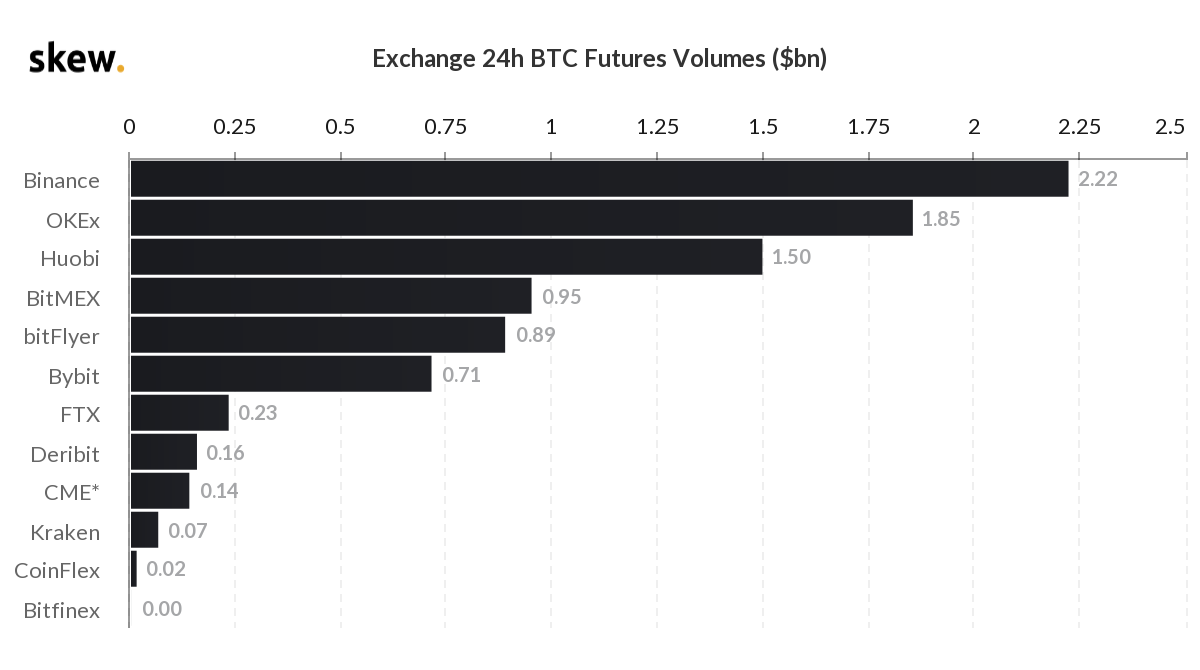
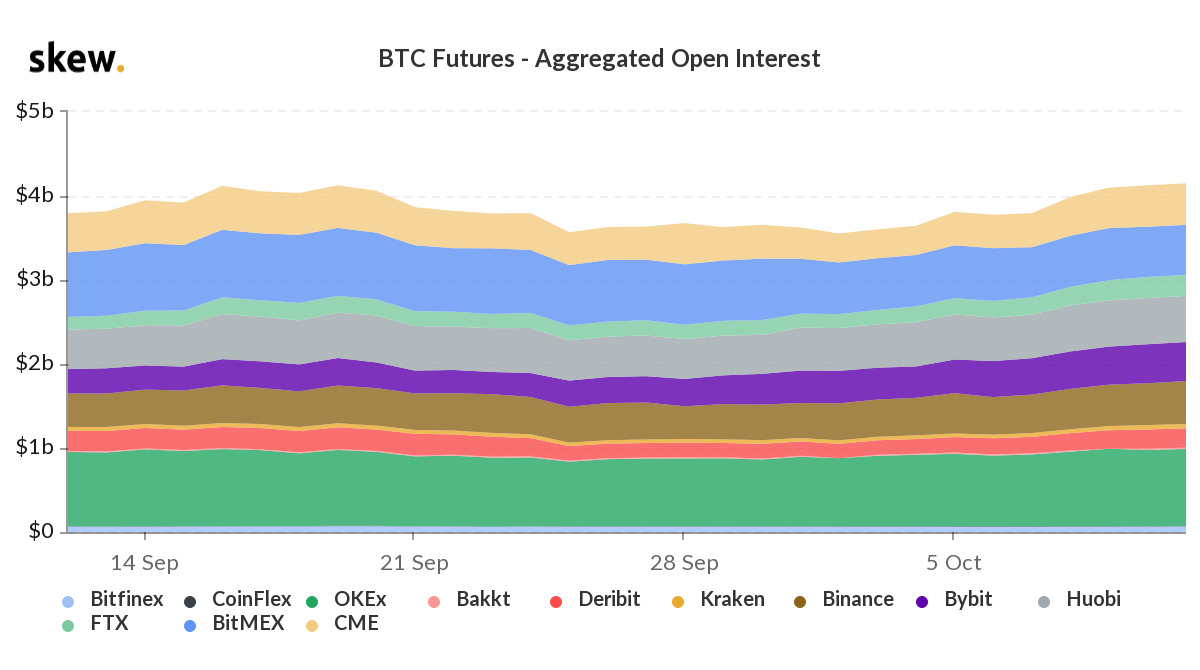
Researchers at The Block say that Tether’s popularity on centralized cryptocurrency exchanges has become the main driver of the stablecoin’s capitalisation.
Analysts say other stablecoins could challenge USDT only in the decentralized finance sector.
On 12 October, Bitfinex Derivatives announced the launch of perpetual swaps on EOS, Litecoin (LTC) and Polkadot (DOT). Settlements will be in USDT.
. @Bitfinex Derivatives to Launch $EOS, $LTC and $DOT Perpetual Swapshttps://t.co/598i4Q365V
— Paolo Ardoino (@paoloardoino) October 12, 2020
In late September the aggregate value of stablecoins surpassed $20 billion, having doubled in four months.
Dominant position in the sector is held by Tether with a share of around 80%. At the time of publication, the stablecoin’s market capitalisation, according to CoinGecko, stood above $15.7 billion with a daily trading volume of more than $27.8 billion (60% higher than Bitcoin).
Follow ForkLog news on Twitter!