



Bitcoin Tests $70,000 amid Macro Pressure and ETF Outflows
Bitcoin fell to $70,119 amid macro jitters and ETF outflows; Ethereum slid to $2,079.
On 5 February, the price of the leading cryptocurrency fell to $70,119 — the lowest since October 2024. Ethereum followed suit, dipping to $2,079.
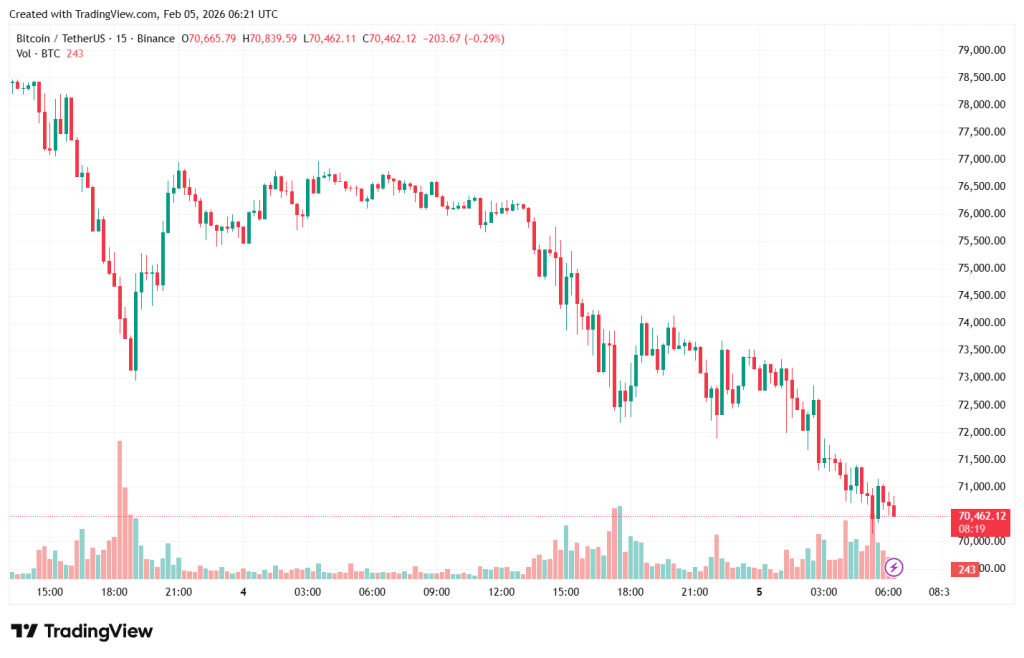
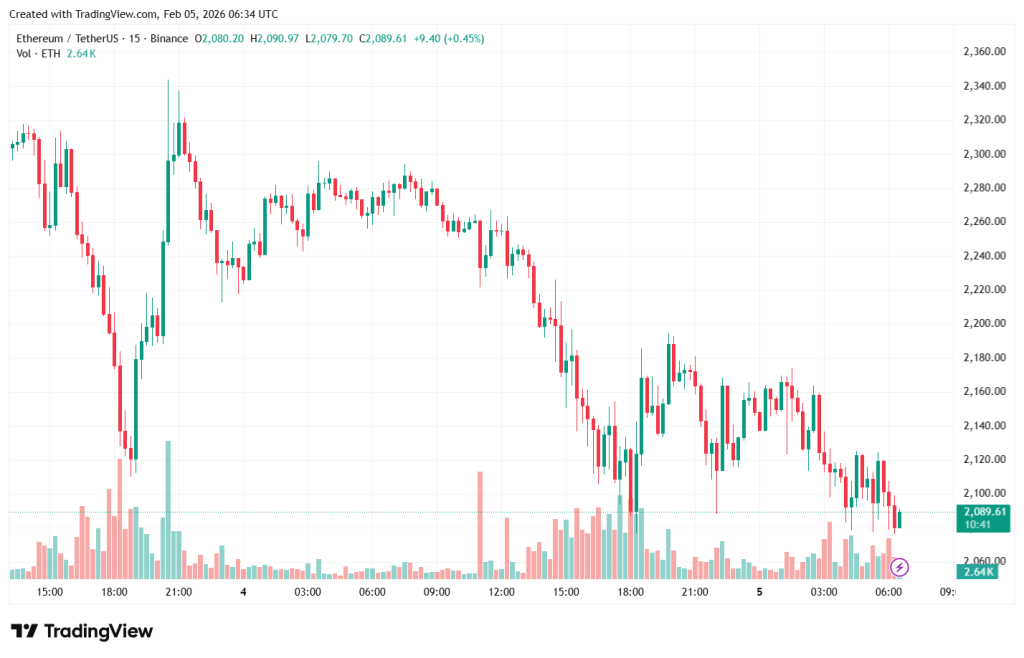
Kronos Research investment director Vincent Liu linked the drop to a break of key support after a failed bounce. He said three forces intensified the pressure: a wave of long liquidations, a sell-off in US tech, and outflows from spot ETFs.
The malaise reached equities too. Shares of Coinbase fell 6.14%, while mining company BitMine dropped 9.17%. The Nasdaq Composite slipped 1.51%.
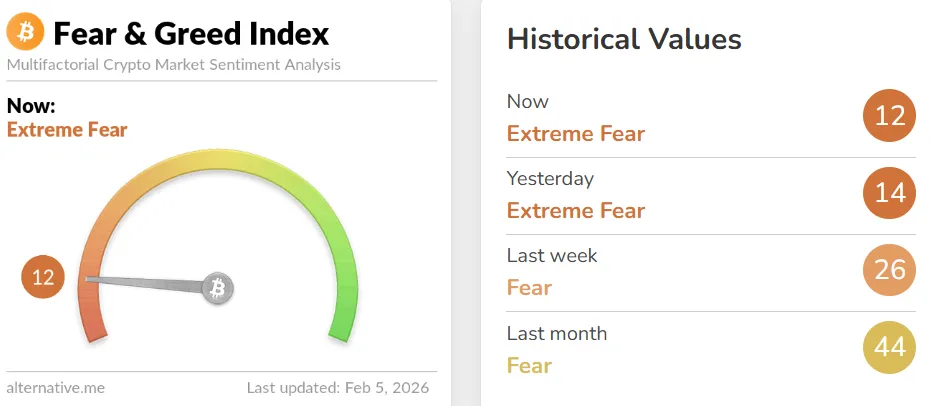
Peter Chang, head of research at Presto Research, argues the current correction stems from global macroeconomic forces rather than crypto-specific woes. Investor sentiment is at its lowest since the last bear phase. A popular sentiment gauge slid to 12 (“extreme fear”).
Even so, Chang advised ignoring market noise and focusing on the long-term potential of digital-asset adoption.
Some market participants linked the sell-off to the aftermath of the 10 October 2025 incident. A database failure at Binance then caused transaction delays and mispriced quotes, triggering $19 billion of cascade liquidations. The exchange acknowledged the technical issues and paid more than $283 million in compensation.
Dragonfly managing partner Haseeb Qureshi noted that during October’s disruption there was insufficient buy-side liquidity, yet liquidation mechanisms continued to function normally.
With all respect to Star, this story is candidly ridiculous.
Star is trying to claim that the root cause of 10/10 was Binance creating an Ethena yield campaign, causing USDe to get overleveraged from traders looping it on Binance, which eventually unwound because of a small… https://t.co/IXlqLZI3DN pic.twitter.com/7YX529JAjN
— Haseeb >|< (@hosseeb) January 31, 2026
That dealt a blow to market makers, who “will need time to recover”. Qureshi stressed that, unlike traditional finance, crypto exchanges lack built-in circuit breakers. Their liquidation systems are aimed solely at protecting the platform from insolvency.
Tension was exacerbated by unconfirmed rumours of a $9 billion bitcoin sale by a Galaxy Digital client, purportedly over fears about quantum computing.
Hooo buddy. To translate what @novogratz is saying here (via $GLXY earnings call this AM): The $9B block trade Galaxy did last quarter was for someone 1) early/rich (clearly), 2) smart, 3) fairly concerned about $BTC Quantum Resistance https://t.co/kooKJyjB1s pic.twitter.com/iUsu1pvM17
— Kellan Grenier (@kellangrenier) February 3, 2026
The firm’s researcher Alex Thorn rejected that speculation.
quantum is not why the whale sold
novo didn’t connect the two. he said it was one reason ppl are claiming for btc weakness, but he disagrees with that (this is clear if you read the full transcript)
he then clarified on bloomberg that quantum isn’t the reason for btc weakness https://t.co/pxvqOvsTZZ pic.twitter.com/JT5Qi0PXI4
— Alex Thorn (@intangiblecoins) February 3, 2026
On 3 February, K33 Research analyst Vetle Lunde ruled out an 80% drawdown in bitcoin from its peak.
Рассылки ForkLog: держите руку на пульсе биткоин-индустрии!