


How crypto is saving freelancers—and entire regions — opinion
The real growth of Web3 is not in developed financial centres like San Francisco or Singapore but in regions grappling with economic pressure and the shortcomings of the traditional system, Ray Youssef, CEO of the P2P platform NoOnes, told ForkLog.
According to him, the driver is not technological hype but a matter of necessity. He noted that communities excluded from the global financial system are leapfrogging to decentralised alternatives.
“Look to the streets of Lagos, the markets of Manila, the barrios of Buenos Aires and, yes, to freelancers from sanctioned Russia. The fastest Web3 growth is not happening in boardrooms,” Youssef said.
Real-world examples
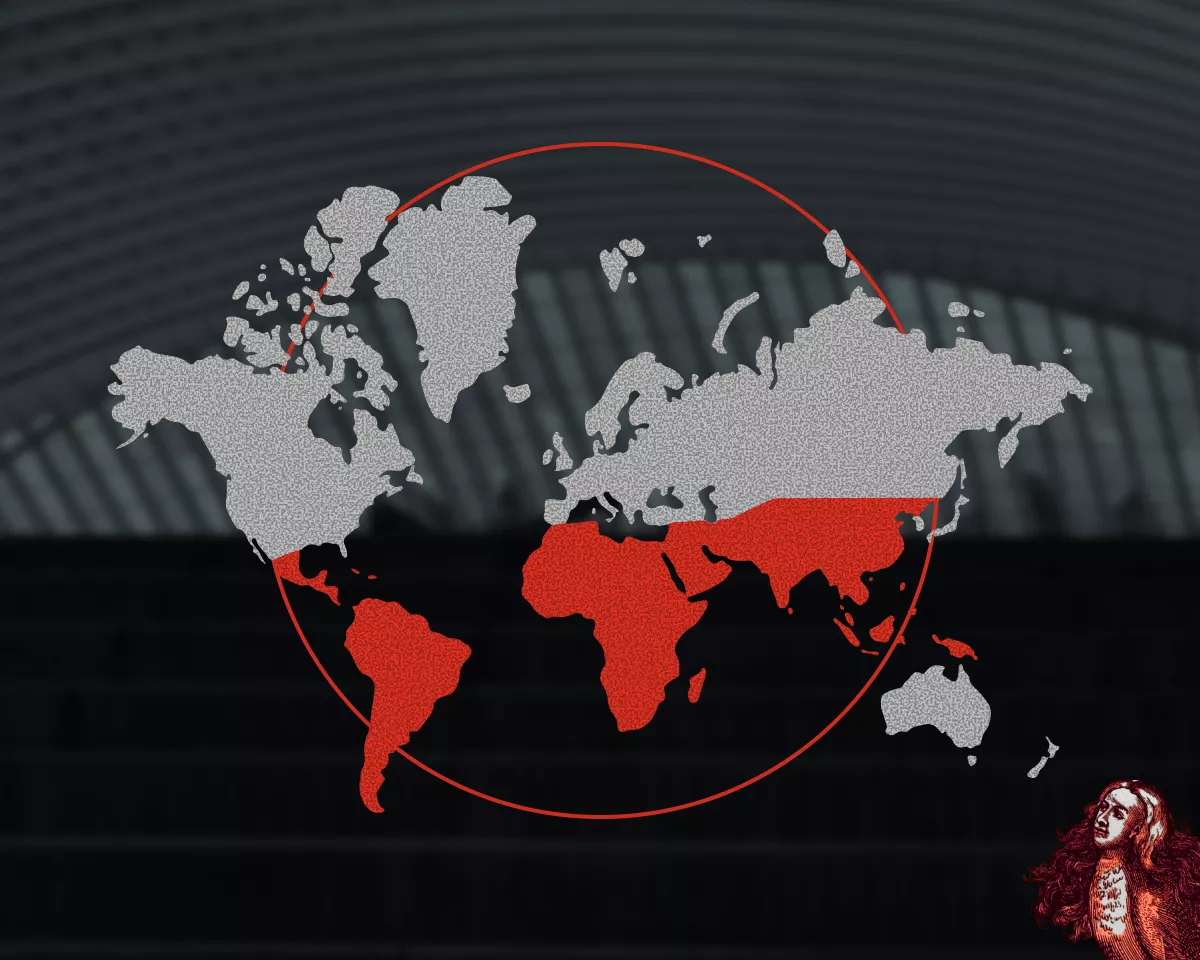
The NoOnes CEO stressed that Southeast Asia, sub-Saharan Africa, Latin America and parts of Eastern Europe lead adoption. The reasons are financial isolation and currency devaluation, which demand practical solutions.
Youssef cited specific uses of Web3 tools across regions:
- Africa — amid high inflation, stablecoins such as USDT and USDC have become “digital lifelines”. Nigeria leads in crypto adoption not for speculation but because of their spread for remittances, payments and preserving savings;
- Southeast Asia — in the Philippines, Indonesia and Vietnam, P2E games, AI wallets and DeFi applications aimed at young, unbanked users are gaining traction;
- Latin America — Argentines use cryptocurrencies to survive hyperinflation, and cross-border trade is thriving “on stablecoin rails that outpace SWIFT”;
- Russia and Belarus — digital assets have become a lifeline for freelancers, professionals and families facing blocks on international banking transactions.
“Key drivers: not technology for technology’s sake, but economic reality, community resilience and ingenuity on the ground. These regions are rich in one vital asset the West often overlooks — human enterprise,” the NoOnes head emphasised.
Eskom looks to mining for a lifeline
South Africa’s state utility Eskom is contending with falling electricity sales and $22.7bn of debt. CEO Dan Marokein called the situation a “structural decline”.
NEW: Eskom, ?? South Africa’s state power utility, is exploring Bitcoin mining to tackle rising debt and declining electricity demand.
With a R403B ($22.8B) debt and falling sales, Eskom plans to use surplus energy for Bitcoin mining to generate revenue and create jobs. pic.twitter.com/3XtnMVIWWq
— Bitcoin News (@BitcoinNewsCom) July 2, 2025
Eskom plans to repurpose surplus capacity for energy-hungry sectors such as artificial-intelligence data centres and bitcoin mining.
The company is studying the United States, where miners sign agreements with grids to cut consumption at peak times. For example, Texas firm Riot Platforms received $32m for voluntarily powering down equipment during a heatwave.
Eskom’s plans contrast with present realities. The utility struggles to keep the lights on and leans on costly diesel generators to avoid rolling blackouts. It has already spent more than $245m on diesel this financial year.
Earlier, Ethiopia’s authorities said that demand for electricity from data centres for cryptocurrency mining in the country would reach 30% of total consumption in 2025. Against this backdrop, the government decided to raise power tariffs for businesses by 400% by 2028.
Tether builds infrastructure in Zanzibar
While South Africa wrestles with power supply, stablecoin issuer Tether signed a memorandum of understanding with Zanzibar’s eGovernment Authority. The aim is to advance crypto education and financial innovation.
Tether will help organise educational programmes on blockchain, bitcoin and P2P technologies. The company will also consider integrating the USDT and XAUT stablecoins into the government payment gateway, Zanmalipo.
“This partnership reflects our commitment to financial literacy and innovation in Africa. We are laying the foundation for a scalable and inclusive digital economy,” said Tether CEO Paolo Ardoino.
Zanzibar’s authorities believe cooperation with Tether will help embed digital assets in the country’s economy.
Meanwhile, Africa is already becoming a hub for outsourcing business processes thanks to low labour costs, a young English-speaking workforce and government support. The sector is forecast to grow by 14% a year, nearly twice the global pace.
People as infrastructure
Youssef argues that people create the core value in Web3, despite automation via smart contracts and DAOs. It is about building trust, understanding local context and applying emotional intelligence.
He cited decentralised physical infrastructure networks as an example. Protocols run on code, but installing antennas, maintaining equipment or mapping routes requires people. The same holds for tokenised real-world assets — without human involvement, it is impossible to verify the asset and its documents.
Russia as a special case
In Youssef’s view, the human element in Russia has become pivotal. Under sanctions and restrictions, a new class of “Web3 freelancers”, P2P liquidity brokers and underground educators has emerged.
“Stablecoin payments for cross-border work still rely heavily on trust between people, often coordinated through Telegram groups, local over-the-counter venues or P2P platforms. When the traditional rails are blocked, it is people, not protocols, who keep the system running,” he explained.
The NoOnes chief added that “a smart contract cannot explain the essence of bitcoin to a grandmother in rural Ethiopia, resolve a conflict in a DAO or build trust in a local market”. That takes community leaders, validators and educators.
“We should build technology not to replace people, but to empower them. Code can scale systems, but only people can build trust, resolve conflicts and develop culture,” Youssef concluded.
ForkLog has explained why countries such as Bolivia, Bhutan and India have opted for crypto adoption.
Рассылки ForkLog: держите руку на пульсе биткоин-индустрии!