


What are tokenised assets?
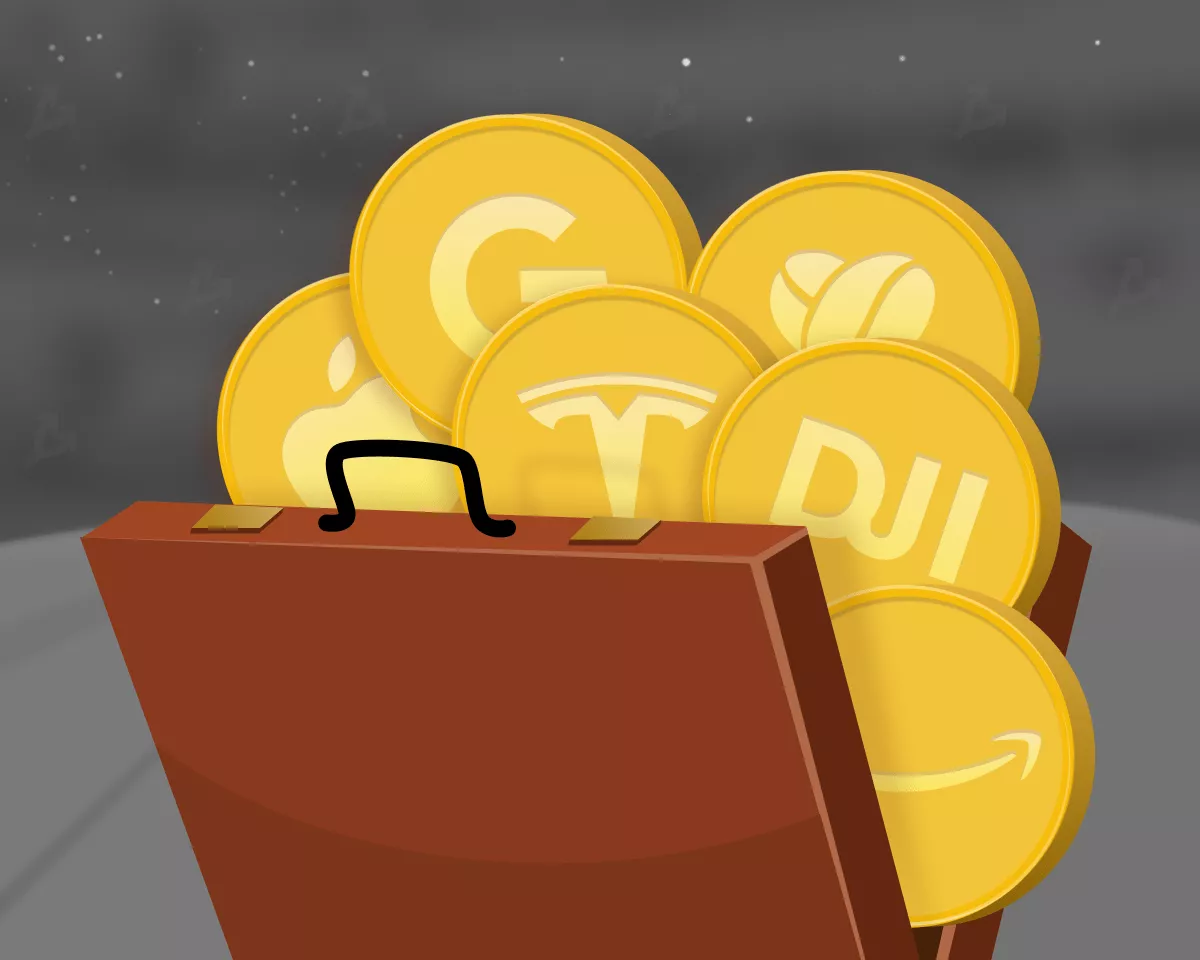
What are tokenised assets?
These are tokens whose price is pegged to the value of underlying assets: securities, commodities, derivatives, real estate or works of art.
Trading tokenised and traditional assets delivers the same economic exposure: if BABA (Alibaba Group) shares rise by $2, the price of the tokenised shares BABA.cx will increase by the same amount.
Holders can also receive regular accruals: dividend adjustments, bond coupons and the like.
How do crypto exchanges create tokenised assets?
Issuers of traditional assets record ownership in registries and list the instruments for trading. When a trade is executed, they update the records of who owns the asset.
Tokenisation works similarly, but issuers use a blockchain.
There are two approaches to tokenisation:
- with purchase — the token holder can redeem it for the underlying asset. Such assets trade on FTX;
- without purchase — the holder cannot redeem the token for the underlying asset. In this case the asset’s value is collateralised by cryptocurrency or fiat money. Such tokens trade on the crypto exchange Currency.com and several other venues.
Investors can buy tokenised assets on the spot market and withdraw them to an external wallet, as well as trade them with leverage without withdrawal.
Are tokenised assets NFTs?
Not quite. NFTs are non-fungible tokens with unique identifiers and attached content. Two seemingly similar NFTs can be priced differently.
Tokenised assets are fungible and equivalent, just like listed company shares or commodity delivery contracts.
That said, NFTs that attest to ownership of physical objects can also be considered tokenised assets.
How are tokenised assets regulated?
Crypto exchanges obtain licences to deal in digital assets and contract with a broker for price feeds. If an issuing exchange buys assets for tokenisation, the broker holds them, acting as custodian.
From regulators’ standpoint, trading tokenised assets does not differ from trading cryptocurrency.
How does trading tokenised assets differ from traditional markets?
Trading on a traditional exchange requires a brokerage agreement, sometimes on paper. Brokers often charge fixed commissions—for example, 0.1% of the trade value, but not less than $50—and may levy hidden fees for account maintenance, custody or cancelling a limit order.
Trading tokenised assets requires registering with a crypto exchange and passing KYC. Crypto platforms have transparent fees. There are no hidden charges: users pay a percentage of the trade and network fees when withdrawing to an external wallet.
The product lists of traditional brokers are limited. They tend to offer domestic equities, local mutual funds, fiat currencies and popular commodities such as gold. The constraint stems from legal hurdles in adding foreign assets.
Crypto exchanges offer a wide range of tokenised assets:
- shares of popular companies from the US, Europe and Asia;
- commodities from gold to rubber;
- ETFs tracking indices and industry sectors;
- stock indices, fiat currencies and government bonds.
Where can you trade tokenised assets?
At the time of publication, tokenised assets trade on six venues:
- Currency.com — more than 1,800 assets: 1,700 equities, 30 commodities, 50 stock indices and ETFs, and 16 fiat currencies across different markets in tokenised form;
- FTX — 100 trading pairs with tokenised assets;
- Bittrex — more than 50 tokenised equities paired with bitcoin, USDT and the US dollar;
- Bitpanda — 212 tokenised equities, ETFs and precious metals;
- Mirror Protocol — 30 tokenised equities overcollateralised in cryptocurrency;
- Synthethix — seven tokenised fiat currencies.
What should you know before buying tokenised assets?
- Platform tokenisation terms — with purchase or without. In the first case you can redeem tokens for the assets; in the second you can only trade them.
- How regular payments such as dividends are credited — to holders’ accounts or via adjustments to asset prices.
- Trading pairs — with bitcoin, USDT or tokenised fiat currencies. For example, on Currency.com Japanese shares trade against the tokenised yen JPY.cx, while American ones trade against the tokenised dollar USD.cx.
- Trading hours — round-the-clock or limited. Venues may pause trading in line with stock-exchange schedules.
Who is tokenised-asset trading for?
Traders seeking new instruments. Cryptocurrencies often move with bitcoin, whereas prices of tokenised equities, indices, commodities and other assets can rise and fall independently.
Tokenised assets also help diversify a crypto portfolio without registering on separate platforms or signing brokerage contracts.
Рассылки ForkLog: держите руку на пульсе биткоин-индустрии!